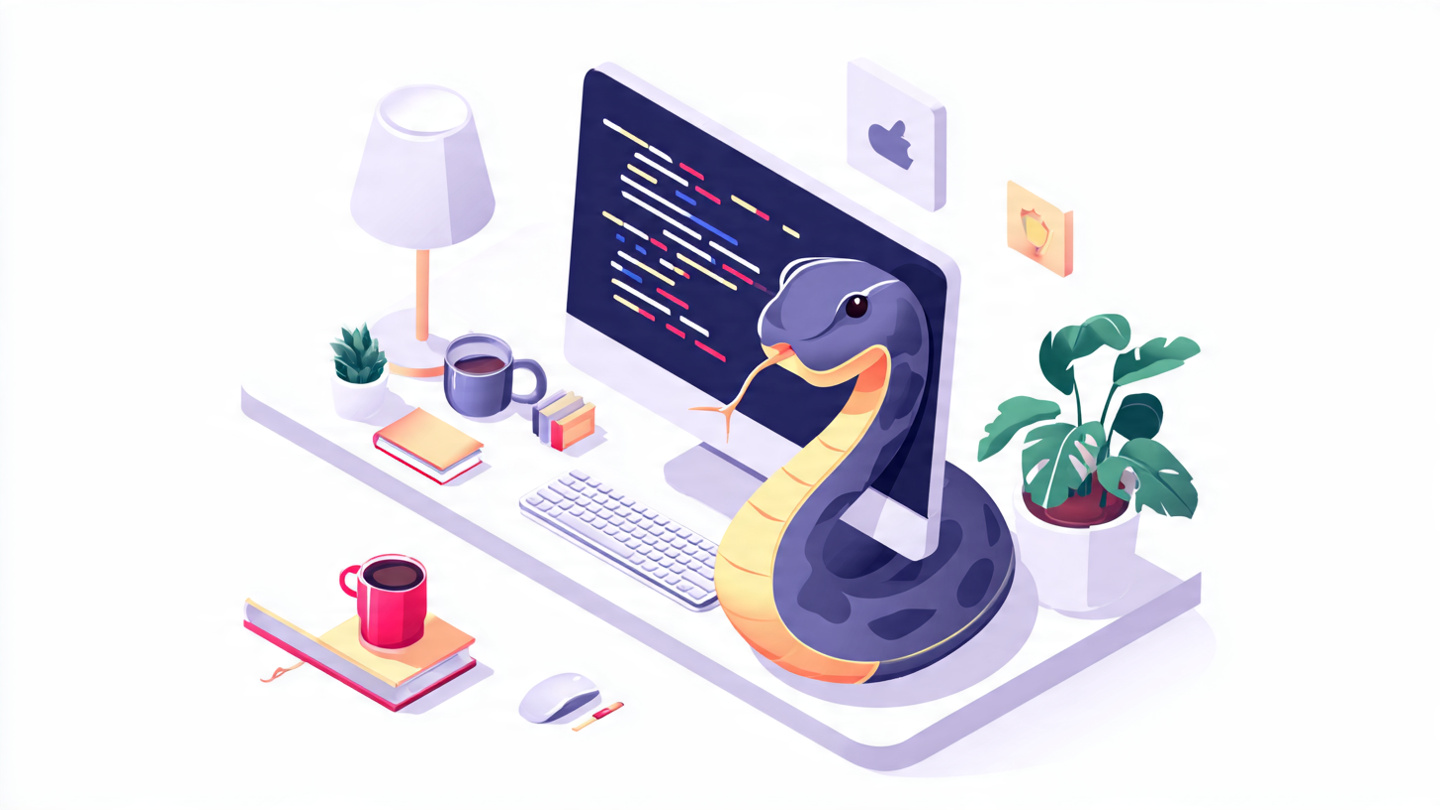
Python has emerged as the most popular and versatile programming language in the world, and for students in Jalandhar who have just completed their 12th standard, it represents the single best entry point into the world of technology. In an era where digital literacy is as crucial as traditional education, choosing the right technical skill can define the trajectory of your entire career. Whether you come from a Science, Commerce, or Arts background, learning Python is like learning a universal language for problem-solving. It bridges the gap between human logic and machine execution. At TechCadd, our "Best Python Course in Jalandhar after 12th" is specifically designed to transform absolute beginners into proficient developers within a matter of months, providing a robust alternative to the traditional three-year degree path.
 

Why Python for 12th-Pass Students?

The beauty of Python lies in its simplicity and readability. Its syntax is very close to plain English, making it incredibly easy to read and write compared to older, more complex languages like C++ or Java. For a student who has never coded before, this low barrier to entry is critical. Python provides immediate gratification; you can write a functional script to solve a mathematical problem or automate a task in just a few lines of code. This early success boosts confidence and encourages students to explore more complex logic without feeling overwhelmed by syntax errors.
 
Beyond simplicity, Python is powerful. It is the language of choice for tech giants like Google, Instagram, and Spotify, and it is even used by NASA for scientific computing. In Jalandhar's competitive job market, having Python on your resume is a massive differentiator. It signals to employers that you possess logical thinking skills and the ability to work with modern technology. Furthermore, Python's versatility means you are not locked into one career path. Mastery of Python opens doors to Web Development, Data Science, Artificial Intelligence, Cybersecurity, Automation, and even Financial Analysis. This flexibility is invaluable for a young student who is still exploring their specific interests within the tech landscape.
 

The Curriculum: From Basics to Advanced Mastery

Our course overview is structured to ensure a smooth learning curve. We don't rush into complex algorithms or abstract theories. Instead, we spend the first few weeks ensuring that our students understand the "Logic of Programming." This foundational phase is crucial because coding is not just about typing; it is about thinking.
 
The Core Foundations: We begin with the absolute basics. Students learn about variables, which store data, and data types such as strings (text), integers (numbers), lists (collections), and dictionaries (key-value pairs). We then move to control structures, including if-else statements for decision-making, and for loops and while loops for repetition. These concepts are the building blocks of all software.
 
Functional Programming: Once the basics are solid, students learn how to write reusable code using functions and modules. This is a key skill for any professional developer because it promotes efficiency and clean code structure. You learn to break down large problems into smaller, manageable functions that can be tested and reused across different projects.
 
Object-Oriented Programming (OOPs): This is where students learn to think like software architects. We teach classes, objects, inheritance, and polymorphism—the building blocks of modern software engineering. OOP allows you to model real-world entities in your code, making complex systems easier to manage and scale. Understanding OOP is often a requirement for intermediate and advanced job roles.
 
File Handling and Libraries: Python's true power comes from its vast ecosystem of libraries. We teach students how to work with files (reading and writing data), manage data structures, and use external libraries like NumPy for numerical computing and Pandas for data manipulation. This exposes students to the real-world utility of Python beyond simple scripts.
 

Web Development with Django and Flask

Python isn't just for data analysis or scripting; it is also a powerhouse for web development. At TechCadd Jalandhar, we teach students how to build robust, secure, and scalable websites using the Django framework. Django is a high-level Python web framework that encourages rapid development and clean, pragmatic design. It is the same technology used by giants like Instagram, Pinterest, and Mozilla. By learning Django after 12th, you are essentially gaining the skills to build the "Back-end" of the internet—the server-side logic that powers websites.
 
We also cover Flask, a micro-web framework that is lightweight and flexible. Flask is ideal for building lightweight microservices and APIs (Application Programming Interfaces). Understanding both Django and Flask gives students the versatility to choose the right tool for the job. Whether a client needs a massive e-commerce platform or a simple API for a mobile app, a TechCadd graduate will have the skills to deliver. This module includes database integration (SQL), user authentication, and deployment, ensuring students can take a project from concept to live website.
 

Data Science and Machine Learning Foundations

Artificial Intelligence (AI) is the future, and Python is its engine. Our overview includes a comprehensive introduction to how Python is used in Data Science. We show students how to analyze large sets of data to find patterns, visualize trends, and make predictions. We cover data cleaning, exploratory data analysis, and basic statistical modeling.
 
While full Data Science is a vast field that often requires advanced mathematics, our industry training gives 12th-pass students a significant head start. We focus on practical application rather than dense theory. Students learn to use libraries like Matplotlib and Seaborn for data visualization, turning raw numbers into understandable charts and graphs. This makes them highly desirable for entry-level data roles such as Data Analyst or Junior Data Associate. Understanding the basics of Machine Learning algorithms also prepares them for more advanced studies later in their career, future-proofing their skill set against industry shifts.
 

The Practical Lab Experience in Jalandhar

Theory is only 20% of the journey at TechCadd. The remaining 80% happens in our advanced labs. We believe that you only learn Python by "breaking things and fixing them." Coding is a practical skill, much like learning a musical instrument or a sport; you cannot master it by just watching someone else do it. Our students spend hours every day coding in our state-of-the-art facilities.
 
Our labs are equipped with high-performance workstations that ensure compiling code or running data models never takes more than a few seconds. We provide a high-speed, stable internet environment that allows students to work with cloud-based tools and online documentation without interruption. The environment is designed to mimic a professional IT office, helping students transition mentally from being a "student" to being a "professional."
 
If you are learning "Lists," your project might be to create a digital grocery store inventory system. If you are learning "Loops," you might build a system that automates sending birthday emails to a client list. This practical approach ensures that the knowledge is locked into your long-term memory. You aren't just memorizing syntax; you are understanding how to apply logic to solve real problems.
 

Live Project Integration

The hallmark of the "Best Python Course in Jalandhar" is live project work. During the final phase of the training, students are assigned to work on real-world projects that simulate professional expectations. This could be an automated web scraper that collects data from websites for market research, a simple AI chatbot that handles customer queries, or a full-stack web application for a local business.
 
Working on a project that actually "does something" is the best way to prepare for a job. It allows students to face real challenges like debugging unexpected errors, using version control systems like Git and GitHub, and optimizing code for performance. These projects culminate in a professional portfolio. In the IT industry, your GitHub profile or portfolio website is your real resume. When an interviewer asks, "What have you done?", you don't talk about what you read; you show them the live URL of a project you completed. This tangible proof of capability is worth more than any degree certificate.
 

Mentorship for the Next Generation

A 12th-standard student needs more than just a teacher; they need a mentor. Our trainers in Jalandhar are seasoned Pythonistas who have worked on international projects and corporate environments. They guide you through the frustrations of a "SyntaxError" and celebrate with you when your code finally runs. They teach you the "Clean Code" principles that separate a hobbyist from a professional.
 
Our mentors provide industry insights that you cannot find in textbooks. They teach you how to estimate project timelines, how to document your code for team collaboration, and how to stay updated in a field that changes every month. This mentorship extends beyond technical skills to career guidance, helping students navigate job interviews, salary negotiations, and career progression decisions. The mentor-to-student ratio is kept low to ensure personalized attention, ensuring that no student is left behind regardless of their learning pace.
 

Career Opportunities and Future Scope

Choosing Python after 12th is a strategic career move. It opens doors to a wide array of high-growth roles. Graduates from TechCadd can pursue careers as Junior Python Developers, Web Developers, Data Analysts, Automation Engineers, or QA Testers. The demand for Python professionals in Punjab and across India is skyrocketing. Starting salaries for skilled freshers typically range from ₹2.5 lakhs to ₹4.5 lakhs per annum, with rapid growth potential. Within 3-5 years, experienced Python developers can earn ₹10-20 lakhs per annum or more, especially if they specialize in Data Science or AI.
 
Furthermore, Python skills enable entrepreneurship. You can build your own software products, offer freelance services on global platforms, or automate processes for local businesses. The financial independence gained from these skills allows students to support their families early and invest in their own future growth.
 

Conclusion: Become a Creator of Technology

At TechCadd, we provide the environment, the tools, and the expertise to ensure you master this language. We are committed to ensuring that your transition from school to professional life is smooth, rewarding, and life-changing. Don't just be a consumer of technology who scrolls through apps and websites; become a creator who builds them. Start your Python journey in Jalandhar today and secure your place in the digital economy. The future belongs to those who can speak the language of machines, and that future starts here at TechCadd.
In a city like Jalandhar, where several institutes offer computer courses and technical training programs, TechCadd has stood out as the "Gold Standard" for technical education. When you search for the "Best Python Course in Jalandhar after 12th," TechCadd consistently ranks at the top not just because of our marketing efforts, but because of our tangible, measurable results. We have thousands of success stories—students who walked through our doors as confused 12th-pass graduates and emerged as confident, employed professionals. Choosing where to study is not just an educational decision; it is a decision that will impact your entire career trajectory, your earning potential, and your professional identity. Here is a comprehensive deep dive into why TechCadd is the right choice for your Python journey.
 

1. Expert Faculty with Real-World Experience

The biggest asset of TechCadd Jalandhar is undeniably our faculty. In the world of technical education, the quality of instructors makes all the difference between learning theory and learning capability. We don't hire "teachers" who just read from slides or recite textbook content. We hire developers, engineers, and tech professionals who have spent years working in the IT industry at companies ranging from startups to multinational corporations.
 
Our Python mentors understand the nuances of the language because they have used it to build real-world systems that serve thousands of users. They know which libraries are currently trending in the job market and which coding practices are outdated and should be avoided. This "Inside Information" is what makes our training so valuable and differentiated from traditional educational institutions. You learn what the industry actually wants right now, not just what was relevant five years ago when most textbooks were written.
 
Our trainers bring practical war stories into the classroom. They share experiences of debugging production issues at 2 AM, optimizing code for millions of users, and collaborating with international teams across time zones. This real-world context transforms abstract concepts into tangible skills. When you learn about error handling from someone who has actually handled critical production errors, you understand the importance differently. When you learn about code optimization from someone who has scaled applications to handle massive traffic, you grasp the real-world implications.
 

2. A "Project-First" Teaching Philosophy

At TechCadd, we have flipped the traditional education model on its head. Most colleges and institutes teach theory for months or even years and then expect students to do projects at the end. We do the opposite. We introduce a concept and immediately ask you to build something with it. This "learning by doing" approach is rooted in cognitive science—people retain 75% of what they practice compared to only 5% of what they hear in lectures.
 
Our "Why TechCadd" success stories are all built on this foundation of practical application. By the time our 12th-standard students finish their Python course, they have a GitHub profile full of projects that demonstrate their capabilities. These aren't toy exercises; they are real applications. From simple calculators and number guessing games to complex web scrapers, data analysis dashboards, and full-stack web applications. Each project builds upon the previous one, creating a cumulative portfolio that showcases growth and capability.
 
This project-first approach serves multiple purposes. First, it keeps students engaged because they see immediate results from their learning. Second, it builds problem-solving skills because students encounter real bugs and challenges that require critical thinking. Third, it creates a tangible portfolio that can be shown to employers. In the IT industry, your GitHub profile and project portfolio are often more important than your certificates. When an interviewer asks, "What can you build?", you don't have to describe hypothetical skills—you can show them working code.
 

3. 100% Placement Support in Jalandhar & Beyond

We understand that for a student after 12th, the ultimate goal of any course is employment. Learning Python is not an academic exercise; it is an investment in your future earning potential. TechCadd has a dedicated placement wing that works exclusively for our students, treating each student's career as our responsibility. We have established tie-ups with hundreds of companies across Jalandhar, Mohali, Chandigarh, Ludhiana, and even Delhi NCR. These relationships have been built over years of delivering quality graduates who perform well on the job.
 
Our comprehensive placement process includes multiple layers of support:
 
Resume Building: We help you write a professional resume that highlights your Python skills and projects effectively. Most freshers make the mistake of listing only academic qualifications. We teach you to showcase your projects, your GitHub profile, and your practical capabilities. We optimize your resume for Applicant Tracking Systems (ATS) that most companies use to filter applications.
 
Portfolio Website: Every student gets personalized help in building a personal portfolio website to showcase their work. This becomes your digital business card that you can share with potential employers. A well-designed portfolio often makes the difference between getting an interview and being ignored.
 
Mock Interviews: We conduct multiple rounds of technical and HR interviews to remove your "interview fear." These sessions are recorded and reviewed, helping you identify areas for improvement in your communication, body language, and technical responses. We cover common Python interview questions, coding challenges, and problem-solving scenarios.
 
Soft Skills Training: Technical skills get you the interview; soft skills get you the job. We train you in professional communication, email etiquette, workplace ethics, team collaboration, and time management. These skills are often what differentiate good candidates from great ones.
 
Direct Referrals: Our strong industry connections mean our students often get direct referrals to hiring managers, bypassing the standard application queue. Many of our partner companies reserve specific hiring slots exclusively for TechCadd graduates.
 

4. Advanced Infrastructure and Learning Environment

Our Jalandhar campus is equipped with state-of-the-art computer labs designed specifically for programming and development work. We provide high-performance machines with SSDs, ample RAM, and modern processors that can handle heavy development environments without lagging. Nothing kills learning momentum faster than waiting for your computer to compile code or run a script. We eliminate this frustration by providing tools that match industry standards.
 
But more than just hardware, we provide a "Learning Culture" that fosters growth and collaboration. TechCadd is a place where students collaborate on projects, share code snippets, help each other solve bugs, and learn from each other's approaches. This peer-to-peer learning is a vital part of the professional world, and we introduce it to you from day one. In real IT companies, developers work in teams, review each other's code, and solve problems collaboratively. We replicate this environment in our training.
 
Our campus also includes dedicated quiet zones for focused individual work, collaboration spaces for team projects, and conference rooms for presentation practice. We provide high-speed fiber-optic internet connectivity with redundant backups, ensuring that cloud-based tools, online documentation, and version control systems are always accessible. We also provide access to premium software licenses, so students learn on the same tools that professional developers use.
 

5. Small Batch Sizes for Personalized Learning

Python can be tricky for beginners, especially if you've never coded before. Concepts like loops, functions, and object-oriented programming can feel abstract until they click. To ensure that every student gets the attention they deserve, we keep our batches intentionally small. At TechCadd Jalandhar, you are not just a face in a crowd of 50 or 100 students where individual struggles go unnoticed.
 
Our batch sizes are limited to 12-15 students per instructor. This means your trainer knows your name, understands your learning style, recognizes your strengths, and identifies where you are struggling. When you have a question, you don't have to wait or feel embarrassed to ask. When you're stuck on a bug, your mentor is right there to guide you through the debugging process rather than just giving you the answer.
 
This personalized attention is why our students learn much faster and more effectively than those at larger, "assembly line" institutes. We can adapt our teaching pace to match the batch's comprehension. If a concept needs more time, we spend more time. If students grasp something quickly, we move forward. This flexibility is impossible in large lecture halls where the curriculum is rigid and one-size-fits-all.
 
Small batches also foster stronger peer relationships. Students form study groups, collaborate on projects, and build networks that last throughout their careers. Many TechCadd alumni maintain connections with their batchmates, sharing job opportunities and collaborating on freelance projects years after graduation.
 

6. AI-Integrated Learning for the Modern Era

In 2025 and beyond, you cannot teach Python without teaching AI. The programming landscape has fundamentally changed with the advent of Large Language Models and AI coding assistants. TechCadd is the first institute in Jalandhar to fully integrate AI tools into our Python training curriculum. We don't ignore this revolution; we embrace it and teach you how to leverage it.
 
We teach you how to use AI coding assistants like GitHub Copilot and ChatGPT to write better code faster. We show you how to use AI for debugging, helping you identify and fix errors in minutes instead of hours. We teach you how to use AI for documentation, saving you time on writing technical specifications. We even teach you how to understand the logic behind Large Language Models so you can work with AI effectively.
 
However, we also teach the responsible use of AI. Students learn when to use automation and when human judgment is essential. They understand the limitations of AI and how to verify AI-generated outputs. This balanced approach creates professionals who are efficient without being dependent, innovative without being reckless. We are preparing you for the "AI Era" of programming, ensuring that you stay relevant even as the industry evolves. A TechCadd graduate who knows how to leverage AI can accomplish in one hour what might take a traditional graduate four hours, making them significantly more valuable to employers.
 

7. Affordable Fees and Flexible Timing

We believe that high-quality tech education should be accessible to everyone in Punjab, regardless of their financial background. Quality education should not be a privilege reserved for the wealthy; it should be an opportunity available to all who have the drive to succeed. We offer the most competitive fee structure for Python training in Jalandhar, providing exceptional value for the investment.
 
When you calculate the Return on Investment (ROI), the value becomes clear. A traditional degree costs ₹5-10 lakhs over three years with no guarantee of a job. Our Python program costs a fraction of that and leads to employment in six months. Students can start earning ₹20,000-₹40,000 per month immediately after completion, becoming financially independent while their peers are still in college.
 
We also offer easy EMI options to make it easier for parents to manage the investment in their child's future. We understand that many families in Punjab are middle-class and may need time to arrange funds. Our payment plans spread the cost over manageable installments without interest penalties. We also offer scholarship opportunities for meritorious students and need-based financial assistance for families facing genuine hardship.
 
Furthermore, we offer multiple batch timings throughout the day to accommodate different schedules. We have morning batches (6 AM - 9 AM) for early birds, afternoon sessions (1 PM - 4 PM), and evening batches (5 PM - 8 PM) for those who are busy during the day. We also offer special weekend workshops for students who are pursuing other degrees simultaneously. This flexibility ensures that you don't have to choose between education and other responsibilities.
 

8. Lifetime Support and Community Access

Once you are a TechCadd student, you are part of the family for life. This is not just a marketing phrase—it is a commitment we honor. Our alumni have lifetime access to our labs, learning resources, and mentorship. If you are stuck on a problem at your first job, you can always come back to your mentors for advice. If you need to brush up on a skill before a job interview, our resources are available to you.
 
We host regular workshops and webinars on new technologies, which our former students can attend for free to keep their skills sharp. Technology evolves continuously, and professionals must keep upskilling throughout their careers. We ensure that TechCadd graduates never become obsolete in the job market. Our alumni portal provides access to recorded sessions, new course materials, and industry updates.
 
Our vast network of alumni working in top companies across India serves as a powerful support system for new graduates. Alumni regularly return to share their experiences, conduct workshops, and refer job openings to current students. Many students find their first jobs through alumni referrals, and many start their entrepreneurial journeys with support from former batchmates. This creates a cycle of success where each generation helps the next. We also maintain an active alumni community through regular meetups, online forums, and networking events that extend far beyond Jalandhar to cities across India and abroad.
 

9. Parental Assurance and Transparency

We understand that for many students, the decision to join TechCadd is a family decision. Parents invest not just money but also trust and hope in their child's future. We maintain complete transparency with parents throughout the journey. We provide regular progress reports detailing attendance, project completion, and skill assessments. We conduct parent-teacher meetings every month to discuss student performance and address any concerns. We keep parents informed about placement opportunities and career guidance sessions. This open communication ensures that parents are confident their child is in safe hands and receiving the support they need to succeed.
 

Conclusion: Your Future Starts Here at TechCadd

TechCadd is more than an institute; it is a bridge between your school life and your professional career. We provide the mentorship, the tools, the network, and the opportunities that a 12th-pass student needs to succeed in the high-stakes world of IT. Our track record speaks for itself—thousands of students have transformed their lives through our training, moving from uncertainty to confidence, from unemployment to meaningful careers.
 
When you choose TechCadd for your Python course in Jalandhar, you are choosing a path of excellence, innovation, and success. You are choosing an institution that measures its success by your success. You are choosing a community that will support you throughout your career. You are choosing a future where your earning potential is limited only by your skills and effort, not by arbitrary ceilings or slow promotion cycles.
 
The technology industry is waiting for your contribution. India's digital economy is projected to reach $1 trillion by 2030, and skilled Python professionals will be at the center of this growth. At TechCadd, we are ready to give you the keys to that world. The only question remaining is: Are you ready to start your journey? Your future starts here. Your career starts now. Your transformation begins at TechCadd.
 
 
If you are a 12th-standard student in 2025, you are standing at the threshold of a massive digital revolution that will reshape the global economy over the next decade. The decision to learn Python is not just about learning a coding language; it is about choosing a career path with a "Future Scope" that is virtually limitless. Python has become the backbone of the most advanced technologies of our time, from artificial intelligence to web applications, from data analysis to cybersecurity. Its dominance is only expected to grow over the next decade, making it the safest and most rewarding investment a young student can make in their education. For a student in Jalandhar, this means a world of opportunities is opening up, both locally in Punjab's growing tech ecosystem and globally in the international remote work market.
 

Python: The King of AI and Machine Learning

When people talk about Artificial Intelligence today, they are fundamentally talking about Python. From OpenAI's ChatGPT to Google's search algorithms, from Tesla's self-driving cars to Netflix's recommendation engine, Python is the language under the hood powering these revolutionary technologies. The future scope in AI is astronomical. Industry reports project that the AI market in India will reach $17 billion by 2027, creating millions of new jobs for skilled professionals.
 
Companies across every sector—healthcare, finance, logistics, retail, manufacturing, and agriculture—are looking for professionals who can build, train, and manage AI models. Healthcare companies use AI to diagnose diseases earlier. Financial institutions use AI to detect fraud. Retailers use AI to predict customer behavior. Manufacturers use AI to optimize production lines. By taking a Python course today at TechCadd, you are preparing yourself for the most high-paying jobs of 2030 and beyond.
 
The beauty of starting your AI journey after 12th is that you have time on your side. While your peers are spending three years in traditional degree programs learning outdated theory, you will be building real AI applications, participating in competitions, and gaining practical experience that employers value. By age 21, you could be working as a Junior Machine Learning Engineer, a role that typically requires a Master's degree through traditional pathways.
 

Data Science: The New Oil of the Digital Economy

Data is the most valuable resource in the modern world, often called "the new oil." But raw data is useless without the tools to refine it, analyze it, and extract insights from it. Python is the best tool for this "refining" process. Every business, from a small startup in Mohali to a multinational corporation in Bangalore, needs to analyze its data to understand customer behavior, optimize operations, and make informed decisions.
 
Data Scientists are among the highest-paid professionals globally. In India, entry-level Data Analysts earn between ₹4-8 lakhs per annum, while experienced Data Scientists can earn ₹20-50 lakhs or more. In Jalandhar and Punjab, many startups, export houses, and manufacturing companies are now hiring data analysts to help them compete in the global market. They need professionals who can analyze sales data, predict market trends, and optimize supply chains.
 
Learning Python after 12th gives you the perfect foundation to become a Data Scientist. You will learn libraries like Pandas for data manipulation, NumPy for numerical computing, Matplotlib and Seaborn for data visualization, and Scikit-learn for machine learning. These skills are directly transferable to real-world business problems. A TechCadd graduate can walk into a company and immediately start adding value by analyzing their data and providing actionable insights.
 

Web Development and Scalable Applications

While PHP and Java were once the kings of web development, Python (specifically the Django and Flask frameworks) has taken over for building complex, data-heavy web applications. The future scope for Python Web Developers is massive because Python allows for "Rapid Development." Companies love it because they can build and launch products faster, iterate based on user feedback, and stay ahead of competitors.
 
Major platforms like Instagram, Pinterest, Spotify, and Dropbox were built using Python. These success stories demonstrate the scalability and reliability of Python for web applications. As more businesses move online, especially in Punjab where digital transformation is accelerating, the demand for Python developers who can build secure e-commerce platforms, social networks, and business management systems will continue to skyrocket.
 
For students in Jalandhar, this creates local opportunities as well. Every business from sports goods manufacturers to surgical instrument exporters needs a robust online presence. Many are looking for local talent who can build and maintain their web platforms. A Python developer can work with local businesses while also serving international clients remotely, maximizing earning potential while staying close to family.
 

Cybersecurity and Ethical Hacking

As our lives move online, the threat of cybercrime grows exponentially. Every day, businesses face attacks from hackers, malware, and data breaches. Python is the preferred language for cybersecurity experts because of its simplicity and powerful libraries. It is used to write scripts for automated scanning, penetration testing, malware analysis, and security auditing.
 
If you are a 12th-standard student interested in "Hacking" for a good cause, Python is your most important tool. Ethical hackers use Python to identify vulnerabilities in systems before malicious hackers can exploit them. The future scope in cybersecurity is incredibly stable because security is not an "option"—it is a necessity for every company in the world. Even during economic downturns, companies cannot cut their security budgets.
 
India faces a shortage of over 10 lakh cybersecurity professionals, meaning demand far exceeds supply. This creates excellent job security and negotiating power for skilled professionals. Cybersecurity roles often command premium salaries, with entry-level positions starting at ₹6-10 lakhs per annum and experienced professionals earning ₹25-50 lakhs or more. For students in Punjab, this represents a stable, high-growth career path that can be pursued locally or remotely.
 

Automation and Robotic Process Automation (RPA)

The future of work is automation. Companies across all industries are looking to replace repetitive manual tasks with automated scripts and systems. This is where Python shines brightest. You can write a Python script to automate anything—from sorting thousands of files to extracting data from hundreds of invoices, from sending personalized emails to generating reports.
 
This "Automation Era" will create millions of jobs for people who know how to write the scripts that keep the world running. Robotic Process Automation (RPA) is one of the fastest-growing fields in technology. Companies use RPA to automate customer service, data entry, invoice processing, and many other routine tasks. Python is the primary language used in RPA development.
 
For students in Jalandhar, automation skills are particularly valuable because Punjab has a strong manufacturing and export base. These industries are increasingly adopting automation to improve efficiency and reduce costs. A Python developer who understands automation can work with local manufacturers to streamline their operations, creating immediate value and strong career opportunities.
 

The Freelance Revolution and Remote Work

One of the most exciting aspects of the future scope of Python is the freedom it provides. Python is one of the most in-demand skills on freelance platforms like Upwork, Fiverr, Freelancer, and Toptal. You don't have to leave Jalandhar to work for a company in San Francisco, London, Dubai, or Sydney. You can work from your home, earn in dollars or euros, and live a high-quality life in Punjab with your family.
 
The "Remote Work" trend is not a temporary pandemic phenomenon—it is a permanent shift in how the global economy operates. Companies have realized that they can access talent from anywhere, and professionals have realized that they don't need to live in expensive metro cities to have successful careers. Python is your ticket to this global talent pool.
 
Consider the financial implications: A Python developer earning $3,000 per month from international clients translates to approximately ₹2.5 lakhs per month. Even at half that rate, you're earning more than most entry-level engineers in Bangalore or Gurgaon while living in Jalandhar with a much lower cost of living. This geographic salary arbitrage is one of the greatest advantages of digital skills, and it's accessible to anyone willing to invest in quality training.
 

Finance and Algorithmic Trading

The world of finance has been completely transformed by Python. Wall Street firms, hedge funds, and Indian stock market traders use Python to build "Bots" that can trade stocks in milliseconds, analyze market trends, and manage investment portfolios. FinTech (Financial Technology) is a multi-billion dollar industry that continues to grow rapidly.
 
If you have an interest in numbers and finance, Python allows you to enter this high-stakes world as a Quantitative Analyst, Algorithmic Trader, or FinTech Developer. These roles are among the highest-paying in the technology sector. Quantitative Analysts at top firms can earn ₹30-50 lakhs per annum or more, with significant bonuses based on performance.
 
The barrier to entry for FinTech careers has traditionally been high, often requiring advanced degrees from prestigious institutions. However, Python skills combined with practical project experience can open doors to this industry. TechCadd students who build trading bots, financial analysis tools, or investment dashboards as part of their portfolio can demonstrate their capabilities to potential employers in the finance sector.
 

Salary Trends and Economic Growth

Let's talk about the economics because ultimately, career decisions are also financial decisions. In India, a junior Python developer starts at a much higher salary than developers in older languages like PHP or Java. Starting salaries for skilled Python freshers typically range from ₹3-6 lakhs per annum in tier-2 cities like Jalandhar, and ₹6-10 lakhs per annum in metro cities or remote international roles.
 
As you gain experience, the growth is exponential. Unlike traditional professions where raises are incremental and slow, IT salaries often double every 2-3 years for skilled performers who continue learning and delivering value. Here's a typical career progression for a TechCadd Python graduate:
 
  • Age 18-19 (Course Completion): ₹3-6 LPA
  • Age 20-22 (2-4 years experience): ₹8-15 LPA
  • Age 23-25 (5-7 years experience): ₹15-30 LPA
  • Age 26+ (Senior/Specialist roles): ₹30-60+ LPA
 
In Jalandhar, local IT firms are paying premium salaries for Python talent because it is hard to find. By starting after your 12th, you are entering the "Golden Age" of tech salaries. By the time your friends are finishing their traditional degrees at age 21 or 22, you could already have 3 years of work experience and be earning a mid-level salary. Over those three years, you could have earned ₹10-15 lakhs while gaining experience, while your peers are just entering the job market with no experience and potentially significant student debt.
 

Entrepreneurship and Startup Opportunities

Python skills also enable entrepreneurship. With the ability to build software products, you can launch your own startup with minimal capital. Many successful tech companies started with a founder who could code their own product. In Punjab, the startup ecosystem is growing rapidly, with government support through initiatives like Startup Punjab.
 
You could build a SaaS (Software as a Service) product, create a mobile app, launch an e-commerce platform, or offer digital services to businesses. The technical skills you learn at TechCadd give you the independence to turn ideas into products without depending on expensive developers. This reduces risk and increases your chances of entrepreneurial success.
 

Conclusion: A Career Without Boundaries

The future scope of Python is as big as your imagination. It is the language of the future, the language of innovation, and the language of problem-solving. At TechCadd Jalandhar, we don't just teach you the syntax; we prepare you for this vast future. We give you the foundation so you can choose any of these paths—AI, Web Development, Data Science, Cybersecurity, Automation, Finance, or Entrepreneurship.
 
The world is becoming "Software-Defined," and Python is the pen that writes the code. Every industry is being transformed by technology, and Python professionals are at the center of this transformation. By choosing to learn Python after 12th, you are not just learning a skill—you are securing your place in the digital economy of tomorrow.
 
The opportunities are limitless. The demand is growing. The time to start is now. Secure your future today at TechCadd Jalandhar, and join the generation of Punjabi youth who are proving that geography doesn't determine destiny. Your career without boundaries starts here.