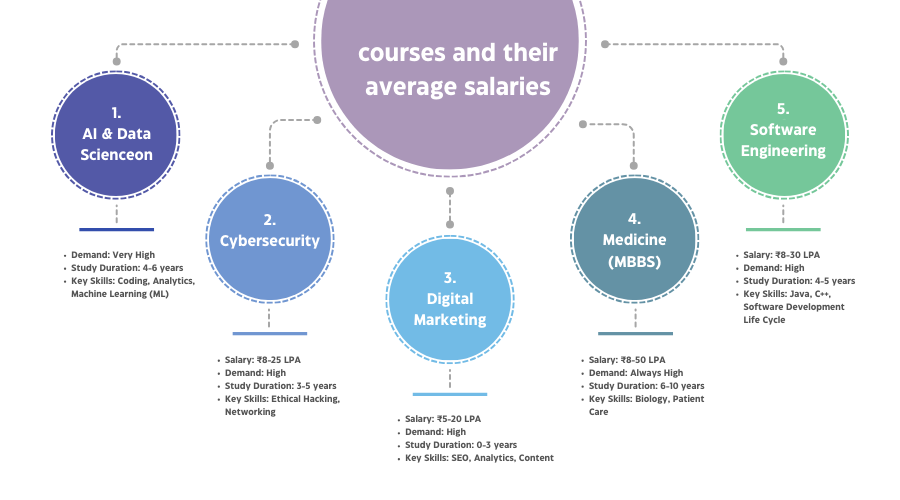
The Great Indian Dilemma: After 12th, What Next?
If you are reading this in Jalandhar—whether you are sitting in your home in Model Town, returning from coaching in Basti Nau, or discussing your future with friends in Guru Nanak Dev University—you are likely facing the single most critical question of your young life: "What do I do after the 12th?"
For generations, the answer in Punjab has been a beaten path. Join a college. Get a degree. Perhaps prepare for government exams on the side. Hope for the best. But if we look at the reality of 2024, this traditional path is no longer a highway to success; it has become a crowded, slow-moving road with uncertain destinations. The India of today, and specifically the Punjab of tomorrow, does not ask "What degree do you have?" It asks, "What can you do?"
At TechCadd Education, we are here to fundamentally change how you view your career. Located in the heart of Jalandhar, we have spent years observing the gap between what our education system produces and what the industry desperately needs. This "Course Overview" is not just a list of classes. It is a manifesto for your future. It is an invitation to step off the crowded traditional path and onto the super-fast highway of skill-based learning.
The Shift: From "Job Seeker" to "Skill Creator"
Let’s address the elephant in the room. You might be a student who scored 90% in your 12th boards, or perhaps you just passed with average marks. It doesn't matter. The modern economy is brutally meritocratic, but its definition of "merit" has changed.
Scenario A: A student spends three years getting a B.Com. degree, memorizing accounting theory. Upon graduating, they realize that Tally and GST filing software have automated half the tasks they learned. They join a low-paying job or remain unemployed, frustrated and directionless.
Scenario B: A student, right after the 12th, enrolls in a Full-Stack Web Development course at TechCadd. In six months, they build a live e-commerce website. In one year, they learn React and Node.js. By the time their friends are graduating with a B.Com., they have three years of work experience, a stellar portfolio, and are earning a salary that their degree-holding peers will take a decade to achieve.
This is the power of skill courses. They are accelerators. They compress the time it takes to become valuable to an employer from years to months.
Why Jalandhar is the Perfect Launchpad
You might think, "These skills are for people in Bangalore or Mumbai." That is a myth we are here to bust. Jalandhar is a city on the cusp of a digital revolution.
-
The Local Business Boom: Jalandhar is the hub for sports goods, leather goods, and hardware. These family-owned businesses are run by the previous generation, but the next generation—the sons and daughters of these business owners—are taking over. They are tech-savvy and they want to take their ancestral business global. They need websites, they need digital marketing, they need data analytics to understand global markets. They need you.
-
The Remote Work Revolution: Since 2020, the world has accepted remote work. A software company in San Francisco doesn't care if you are sitting in Jalandhar or California, as long as you can code. By acquiring a high-demand skill, you are no longer competing for jobs just in Jalandhar; you are competing for jobs in the entire English-speaking world.
-
The Chandigarh Tricity Overflow: Chandigarh, Mohali, and Panchkula have become massive IT hubs. However, the cost of living there is high. Smart companies are looking to hire talent from nearby cities like Jalandhar and Ludhiana, where they can find equally skilled people at a more sustainable cost, and those people can work remotely or hybrid.
TechCadd's Course Offerings: Your Toolkit for the Future
At TechCadd, we don't believe in a one-size-fits-all approach. We understand that every 12th pass student has unique interests, aptitudes, and goals. Therefore, we have categorized our high-demand skill courses into distinct verticals. Let's explore each one in detail.
Vertical 1: The Data & Intelligence Wing
If you are a student from a PCM background, or even Commerce with Math, and you have a logical, analytical mind, this is your goldmine.
Course: Data Science & Machine Learning with Python
-
What is it? Data Science is the art of extracting gold from data. Every click on a website, every purchase in a store, every social media post generates data. Companies collect terabytes of this data, but it's useless unless someone can analyze it and find patterns. That someone is a Data Scientist.
-
The Curriculum:
-
Python Programming: The language of the future. You will start from the basics (variables, loops) and move to advanced libraries like NumPy and Pandas for data manipulation.
-
SQL (Structured Query Language): The language of databases. You will learn how to talk to databases and retrieve information in milliseconds.
-
Data Visualization: Numbers are boring; charts are exciting. You will learn tools like Matplotlib, Seaborn, and Tableau to create stunning dashboards that tell a story.
-
Machine Learning: This is the core of AI. You will teach computers to learn from data. You'll build models that can predict customer behavior, detect fraud, or even recommend movies like Netflix does.
-
Real-World Project at TechCadd: You will work on a project analyzing the sales data of a real Jalandhar-based sports goods manufacturer. You will identify which products are selling in which countries, predict future demand, and present a dashboard to the "client" (the business owner).
Course: Cyber Security & Ethical Hacking
-
What is it? With great technology comes great vulnerability. Banks, government websites, and private companies are under constant threat of cyber-attacks. Ethical Hackers are the "good guys" who break into systems legally to find the weaknesses before the "bad guys" do.
-
The Curriculum:
-
Networking Basics: Understanding how data travels across the internet (TCP/IP, DNS, Firewalls).
-
Operating System Security: Deep dive into Linux and Windows security.
-
Cryptography: The art of writing and solving codes.
-
Penetration Testing: Using tools to simulate attacks on web applications and networks.
-
Real-World Project at TechCadd: You will be tasked with securing a mock e-commerce website. You will attempt to hack into it using various techniques (SQL Injection, Cross-Site Scripting) and then create a security report detailing the vulnerabilities and how to fix them.
Vertical 2: The Builders & Creators Wing
Are you someone who loves to see things come to life? Do you enjoy solving puzzles and building things from scratch? This is your domain.
Course: Full-Stack Web Development (MERN Stack)
-
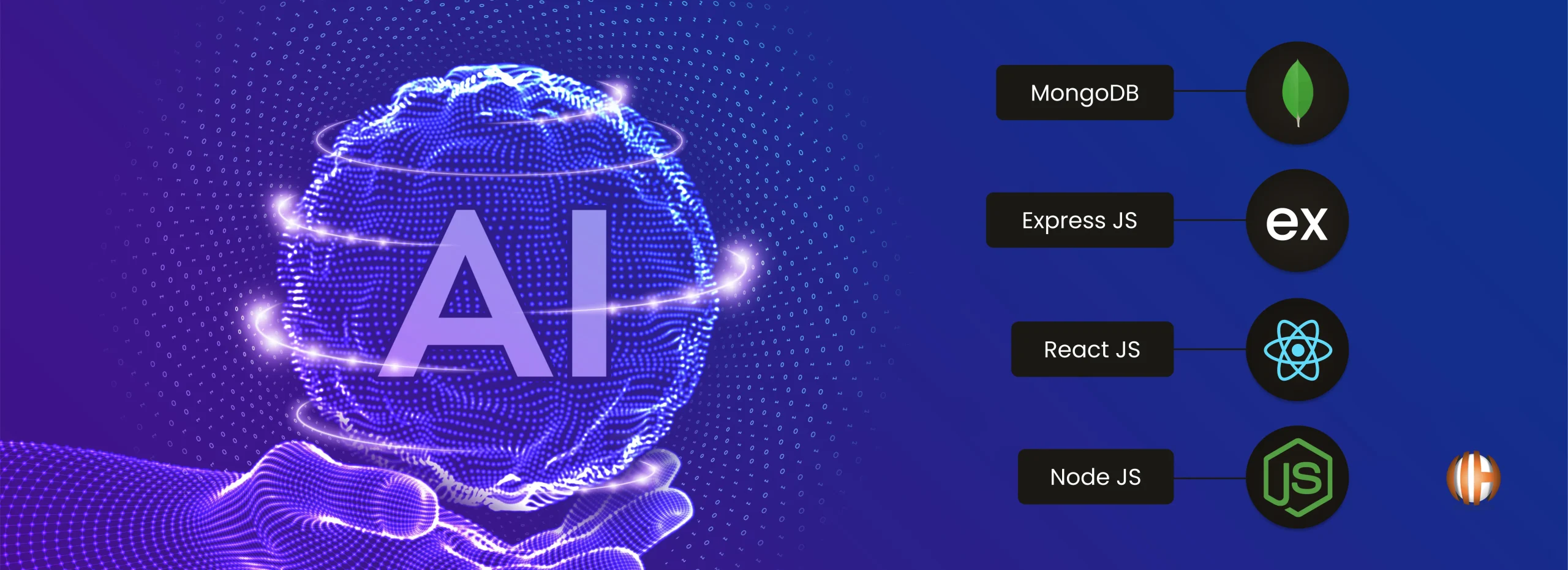
What is it? Web Development is the backbone of the internet. A "Full-Stack" developer is a万能 player who can build both the front-end (what the user sees) and the back-end (the server and database) of a website or app. We focus on the MERN stack, which is the most popular technology bundle right now.
-
The Curriculum:
-
Front-End Foundations: HTML, CSS, and JavaScript. You'll learn to create responsive designs that look great on phones, tablets, and computers.
-
React.js: The hottest JavaScript library for building user interfaces. Companies like Facebook, Instagram, and Netflix use React.
-
Back-End with Node.js & Express.js: You'll learn to build the server that runs behind the scenes, handling user logins, payments, and data storage.
-
Database with MongoDB: A flexible database that stores data like JSON files.
-
Real-World Project at TechCadd: You will build a complete "Job Portal" website from scratch. It will have user registration, profile creation for candidates, job posting forms for employers, and an application tracking system. This project will be added to your GitHub portfolio, which is your resume for the tech world.
Course: App Development (Android & iOS)

-
The Curriculum:
-
Kotlin/Java for Android: Core programming for the Android ecosystem.
-
Flutter/Dart: Google's UI toolkit for building natively compiled applications for mobile, web, and desktop from a single codebase.
-
API Integration: Making your app talk to the internet to fetch data (like showing live cricket scores or weather updates).
-
Firebase: Google's mobile platform for building high-quality apps quickly, including user authentication and real-time databases.
-
Real-World Project at TechCadd: You will develop a "Fitness Tracker" app that allows users to log their workouts, track calories, and watch video tutorials. You will publish it on the Play Store (or at least have a demo APK to show employers).
Vertical 3: The Creative & Visual Wing
Not everyone loves code, and that's perfectly fine. The digital world runs on visuals and content. If you have an artistic eye and a storytelling heart, this is your calling.
Course: UI/UX Design
-
What is it? This is not graphic design; it is experience design. UI (User Interface) is how a product looks. UX (User Experience) is how it works. A UX Designer researches user behavior, creates wireframes, and ensures that using an app is smooth and intuitive.
-
The Curriculum:
-
Design Thinking: The process of understanding user problems and ideating solutions.
-
Wireframing & Prototyping: Using tools like Figma and Adobe XD to create blueprints of apps and websites that are clickable and interactive.
-
Visual Design Principles: Color theory, typography, and layout.
-
Usability Testing: Learning how to test your designs with real users and iterate based on feedback.
-
Real-World Project at TechCadd: You will redesign the user interface of a local Jalandhar business's existing, outdated website. You will present the new, modern design to them as a case study, showing how your new UX flow can increase customer engagement and sales.
Course: Professional Video Editing & Motion Graphics
-
What is it? In the age of YouTube, TikTok, and Instagram Reels, video is the most powerful medium. You will learn to take raw footage and transform it into a compelling story. Motion graphics add another layer, creating animated text, logos, and explainer videos.
-
The Curriculum:
-
Adobe Premiere Pro: The industry standard for video editing. You'll learn cutting, trimming, color correction, and audio mixing.
-
Adobe After Effects: For motion graphics and visual effects. You'll learn to create animated logos, kinetic typography, and basic VFX.
-
DaVinci Resolve: Advanced color grading for that "cinematic" look.
-
Sound Design: Understanding how audio impacts video quality.
-
Real-World Project at TechCadd: You will be given raw footage of a TechCadd event or a local wedding/event. You will edit a 2-minute highlight reel, add motion graphics for the titles, color grade it to give it a specific mood, and deliver a final product that could be used for social media promotion.
Vertical 4: The Digital Commerce Wing
This is for the hustlers, the strategists, and the people who understand human psychology. If you love business and the internet, combine them here.
Course: Master in Digital Marketing
-
What is it? Digital Marketing is the art of using the internet to attract customers and sell products. It's a blend of creativity, analytics, and psychology. Every company, from a multi-national corporation to the chai wala down the street, needs digital marketing to survive.
-
The Curriculum:
-
Search Engine Optimization (SEO): The science of getting your website to rank #1 on Google. You'll learn keyword research, on-page optimization, and link building.
-
Social Media Marketing (SMM): Mastering Facebook, Instagram, LinkedIn, and Twitter for business. You'll learn content strategy, community management, and paid advertising.
-
Google Ads (PPC): Running pay-per-click campaigns. You'll learn how to bid on keywords so that when someone searches for "best courses in Jalandhar," your ad appears at the top.
-
Email Marketing & Automation: Building lists and nurturing leads.
-
Analytics: Using Google Analytics to track website traffic and understand user behavior.
-
Real-World Project at TechCadd: You will be given a budget (simulated or real) to run a Facebook ad campaign for a TechCadd event or a local client. You will define the target audience, create the ad creatives, monitor the performance, and present a report on the ROI (Return on Investment) of the campaign.
The TechCadd Pedagogy: How We Teach
You might be looking at these courses and thinking, "It sounds great, but can I really do it?"
Yes, you can. But only if you are taught the right way. At TechCadd, our teaching methodology is built on three pillars:
-
Project-Based Learning (PBL): We do not believe in rote memorization. You will not just learn the syntax of Python; you will use Python to solve a problem. Every module ends with a mini-project. By the end of the course, you have a portfolio, not just a notebook full of copied code.
-
Live Interactive Sessions: Our classes are not recorded lectures where you fall asleep. They are live, interactive, and engaging. You can ask doubts in real-time. You will work in groups, just like you would in a real office.
-
Mentorship, Not Just Teaching: Our trainers are mentors. They are available on our dedicated communication channels (like Slack or Discord) even after class hours. If you are stuck on a coding problem at 10 PM, you can post it, and a mentor or a fellow student will help you. We build a community of learners.
Addressing the Doubts: A Word to Students and Parents
To the Students:
We know you are impatient. You want to start earning, you want to be independent, and you want respect. A skill course is the fastest vehicle to get you there. It requires hard work and discipline, but the rewards are unmatched. Don't wait for the "right time." The right time is now. Every day you delay is a day your competitor gets ahead.
To the Parents:
We understand your concern. You have worked hard to get your child this far. You worry about their future, and you might be skeptical of "courses" that are not traditional degrees. We ask you to look at the investment. A three-year degree costs time and money, and often yields uncertain results. A six-month to one-year skill course at TechCadd is a fraction of the cost and time, and it leads directly to a job. Your child can even pursue a distance degree simultaneously. They get the "degree" for social security and the "skill" for financial security. It is the best of both worlds.
Conclusion: Your Future Starts Here
The world is changing faster than ever. Artificial Intelligence is not coming; it is already here. The jobs of the future will belong to those who can work with AI, not against it. By choosing a high-demand skill course at TechCadd in Jalandhar, you are future-proofing your career.
You are not just enrolling in a class. You are joining a movement of young Indians who are taking control of their destinies. You are declaring that you will not be a passive job seeker but an active skill creator.
The classrooms are ready. The mentors are prepared. The curriculum is set. The only thing missing is you.
Visit us at TechCadd Education in Jalandhar. Let's have a conversation about your future. Let's build your career, together.
The Question Every Student Asks: Why You?
In a city like Jalandhar, students are spoiled for choice. Drive down any major road—from Model Town to Guru Nanak Dev University, from Basti Nau to PAP Chowk—and you will see dozens of signs advertising computer institutes, coaching centers, and training academies. They all promise the same things: "100% Placement," "Expert Faculty," "Low Fees." So, with so much noise, why should a 12th pass student, confused and anxious about their future, choose TechCadd Education?
The answer is not found in our brochures or on our website banners. The answer is found in our alumni, our teaching methodology, our industry connections, and our unwavering commitment to one simple truth: Your success is our only metric of success.
At TechCadd, we don't see ourselves as just an institute; we see ourselves as the bridge between where you are today (a student with potential) and where you want to be tomorrow (a confident, employed professional). We have spent years understanding the unique challenges faced by Punjabi youth—the pressure to find a "stable" job, the allure of Canada immigration, the frustration of underemployment—and we have built an ecosystem that addresses these challenges head-on.
Here is the detailed, honest, and uncompromising truth about why TechCadd is the right launchpad for your career.
1. The "TechCadd Curriculum": Designed by Industry, Not by Textbooks
The single biggest problem with education in India is the lag. What is taught in colleges today was relevant five years ago. In the technology sector, five years is an eternity. At TechCadd, we have completely flipped the script on curriculum development.
We don't design courses based on what is easy to teach; we design them based on what is hard to find in the industry.
How We Build Our Courses:
-
The Industry Advisory Board: We have a formal and informal network of CTOs, Tech Leads, Senior Developers, and Digital Marketing Heads working in companies ranging from high-growth Indian startups to multinational giants like Infosys, Cognizant, and even Silicon Valley firms. Every six months, we survey them. We ask one simple question: "What skills are you struggling to find in fresh hires?"
-
Reverse-Engineering Jobs: Before we write a single line of the syllabus, we analyze 100+ job descriptions for entry-level positions in that field. If 90% of Web Developer job posts ask for React.js, we don't waste time teaching outdated jQuery. We teach React. If Data Science roles demand Python and SQL, we ensure those are the bedrock of our course.
-
Micro-Credentials & Modules: The tech world moves fast. A new framework or library can explode in popularity overnight (like Next.js or Tailwind CSS). Our curriculum is modular. We can slot in a new 2-week module on a trending technology without disrupting the entire course flow. This agility ensures that our students are never learning "legacy" skills.
Example in Practice:
When the demand for Generative AI (like ChatGPT) exploded in late 2022, companies began scrambling for people who knew how to use these tools. Within three months, TechCadd had integrated a dedicated module on "Prompt Engineering and AI Tools for Developers" into our courses. While students from other institutes were still learning basic C++, our students were learning how to leverage AI to write code 10x faster. This is the TechCadd advantage.
2. The Faculty: Mentors Who Have "Been There, Done That"
You cannot learn to swim from someone who has only read books about swimming. You need a coach who has been in the pool, swallowed water, and figured out how to float. The same applies to tech education.
At most institutes in Jalandhar, you will find teachers who are "professional teachers." They may have a B.Ed. or a degree in computer science, but they have never worked a day in the corporate world. They have never faced a deadline, dealt with a difficult client, or debugged a production server at 2 AM.
The TechCadd Faculty Profile:
-
Industry Practitioners: Our trainers are not just teachers; they are working professionals or have a strong history of industry work.
-
Our Web Development mentor has deployed live applications that are used by thousands of users. They know the pain of scaling an app, the joy of fixing a nasty bug, and the process of deploying on AWS.
-
Our Data Science mentor has worked on real-world datasets, built predictive models for e-commerce clients, and understands the nuances of data cleaning that no textbook teaches you.
-
Our Digital Marketing mentor manages ad budgets and runs campaigns for real clients. They can show you live dashboards of campaigns that generated crores in revenue.
-
Mentorship, Not Lectures: We call them mentors for a reason. Their job doesn't end when the class is over. They are available on our community platforms (Slack/Discord) to answer questions. They conduct "Office Hours" on weekends. They share industry news, job openings, and their personal experiences.
-
The "War Story" Pedagogy: The best learning happens through stories. Our mentors share "war stories"—tales of projects that failed, clients who were difficult, and technical debt that turned into a nightmare. These stories impart wisdom that you cannot get from any course. They prepare you for the messy, chaotic, and exciting reality of the tech world.
3. The Infrastructure: A Lab That Mirrors a Modern Office
Environment matters. You cannot foster innovation and creativity in a dull, cramped room with outdated computers. At TechCadd, we have invested heavily in creating a learning environment that is not just comfortable but inspiring and professional.
What Awaits You at Our Jalandhar Center:
-
High-Performance Computing Labs: Coding and creative software are resource-intensive. Our labs are equipped with the latest generation i7 processors, SSDs for lightning-fast boot times, and a minimum of 16GB RAM. This means no lag when you are compiling code, running machine learning models, or rendering 4K video in Premiere Pro.
-
Dual 4K Monitors: In the professional world, developers and designers rarely work on a single screen. Our labs are set up with dual-monitor workstations, allowing you to have your code on one screen and the output/documentation on the other. You learn the workflow of a professional from day one.
-
High-Speed Dedicated Internet: We have a dedicated fiber-optic leased line, not a consumer broadband connection. This ensures 100% uptime and high bandwidth for everyone. You can download large datasets, push code to GitHub, stream tutorials, and collaborate on cloud platforms without interruption.
-
Collaborative Zones: Learning is social. We have dedicated breakout areas and discussion zones where students can form groups, work on projects together, and engage in peer-to-peer learning. This mimics the open, collaborative culture of modern tech companies.
-
Smart Classrooms: Our theory sessions are held in smart classrooms equipped with 4K projectors, interactive whiteboards, and high-quality audio systems, ensuring that every student can see and hear clearly.
4. The Placement & Career Engine: From Learner to Earner
This is the heart of TechCadd. This is where we separate ourselves from the competition. Anyone can claim "100% placement assistance," but what does that actually mean? For most institutes, it means they have a dusty cupboard with some company brochures.
The TechCadd Placement Machinery is a multi-cylinder engine:
A. The First Mile: Career Counseling (Even Before You Start)
We don't just enroll you and forget you. From your first inquiry, we counsel you. We assess your aptitude, your interests, and your background. If you are a creative soul who hates math, we will steer you away from Data Science and towards UI/UX or Video Editing. We want you in the right course because that is the only way you will succeed.
B. The Middle Miles: Soft Skills & Personality Development (SPD)
Technical skill gets you the interview; soft skills get you the job. We run a parallel, integrated SPD program throughout your course.
-
Communication Skills: Mock presentations, group discussions, and extempore sessions to build your confidence in English and Hindi.
-
Resume Building Workshops: We don't let you use generic Canva templates. We teach you how to write a resume that passes Applicant Tracking Systems (ATS). We focus on "action verbs" and quantifiable achievements.
-
LinkedIn Profile Optimization: Your LinkedIn profile is your online resume. We teach you how to optimize it, build a network, and get noticed by recruiters. We have seen students get job offers directly from LinkedIn because their profile was strong.
-
Mock Interviews: Before you face a real employer, you will face our panel. We conduct rigorous mock interviews, often with industry experts on the panel. We will grill you, find your weak points, and help you fix them. We will record your interviews and play them back to you for self-analysis.
C. The Final Mile: The Placement Drive
-
Our Network: Over the years, we have built a robust network of 200+ hiring partners. This includes:
-
Local Jalandhar/Ludhiana Businesses: Manufacturing companies, export houses, and local startups needing IT support and digital marketing.
-
Chandigarh Tricity IT Companies: The hub of the region's tech industry. We have strong ties with companies in Mohali and Chandigarh.
-
National & Multinational Companies: We have placement tie-ups with companies operating across India.
-
Remote Work Cell: We have a dedicated team that scouts for remote job opportunities on platforms like AngelList, WeWorkRemotely, and Upwork. We prepare our students for the specific challenges of remote work (asynchronous communication, time management).
-
Alumni Referrals: Our strongest placement tool is our alumni network. When a TechCadd graduate does well in a company, they come back to us to hire more TechCadd students. This creates a virtuous cycle of trust and success.
D. The "Until You're Placed" Guarantee
We don't stop after three interviews. We work with you until you are placed. If you fail an interview, we sit with you, analyze what went wrong, and create a remedial plan. We will continue to send your profile to companies and prepare you for more interviews until you get that offer letter. Your success is our mission.
5. The TechCadd Community: A Network for Life
When you join TechCadd, you are not just joining a six-month course. You are joining a community for life.
-
The Alumni Network: Our alumni are spread across the globe. We have former students working in Canada, Australia, the USA, and the UK. We have students leading tech teams in Bangalore and students running successful agencies right here in Punjab. We actively connect our current students with alumni for mentorship and guidance.
-
Regular Meetups & Hackathons: We organize regular events at our Jalandhar center. Hackathons where you code for 24 hours straight. Tech Talks where industry experts share insights. Alumni meetups where you can network and learn from those who walked the path before you.
-
The TechCadd Slack/Discord Community: This is our always-on, 24/7 community hub. It's a place where students ask doubts, share job openings, discuss tech news, and form project teams. It's a vibrant, supportive, and active community that keeps you connected and motivated.
6. Flexibility: Designed for the Realities of Punjabi Students
We understand that you have a life outside TechCadd. You may be going to college, helping in the family business, or preparing for competitive exams. We have designed our course structures to fit your reality.
-
Multiple Batch Options:
-
Weekday Morning/Evening Batches: For students who want to focus full-time on their skill development.
-
Weekend Batches: Specifically designed for college students. You attend classes on Saturday and Sunday and work on projects during the week.
-
Fast-Track Batches: For those who want to complete the course intensively and enter the job market as quickly as possible.
-
Blended Learning: While our core strength is classroom training, we provide 24/7 access to our Learning Management System (LMS). You can revisit recorded lectures, access coding challenges, and download study materials anytime, anywhere.
7. Affordability & Scholarships: Investing in Your Future, Not Breaking the Bank
We believe that quality tech education should not be a privilege for the wealthy. It should be accessible to every student in Jalandhar with the drive to succeed.
-
Competitive Pricing: Our fees are structured to be extremely competitive and affordable for Jalandhar families. We believe in value, not just low cost.
-
Easy Financing Options: We have partnered with financial institutions to provide easy EMI options. You can pay your fees in monthly installments that fit your family's budget.
-
Merit-Based Scholarships: We believe in rewarding talent.
-
12th Board Toppers: Students who have scored exceptionally well in their 12th boards are eligible for scholarships.
-
Merit-cum-Means Scholarships: For students who show exceptional aptitude in our entrance assessment but face financial hardship, we offer scholarships to ensure money is not a barrier.
-
Girl Child Scholarships: To encourage more young women to enter the tech field, we offer special scholarships for female students.
8. The "TechCadd Mindset": Building Professionals, Not Just Students
Ultimately, what we teach you goes beyond code, beyond software, beyond marketing funnels. We teach you a mindset.
-
Problem-Solving Attitude: We teach you that when you encounter a problem you don't know how to solve, you don't give up. You learn how to Google it, how to read documentation, how to ask for help intelligently. This is the single most important skill in any career.
-
Ownership & Accountability: We treat you like a professional. If you miss a deadline for a project, there are consequences. We instill in you a sense of responsibility and ownership over your work.
-
Lifelong Learning: The tech field never stops changing. We don't just teach you a language; we teach you how to learn new languages. We give you the foundational skills to adapt and thrive in a constantly evolving landscape.
Conclusion: The Choice is Yours
You are at a crossroads. You can take the well-worn path that millions have taken before you—a generic degree, years of uncertainty, and a frantic job search at the end. Or, you can choose the TechCadd path.
The TechCadd path is not easy. It demands hard work, discipline, and a genuine desire to learn. But it is the path that leads to a destination: a high-paying job, a fulfilling career, and the respect and independence you deserve.
We invite you to come to our center in Jalandhar. Talk to our students. Talk to our alumni. See the labs. Meet the mentors. Feel the energy. Then, make your decision.
We are confident you will choose TechCadd. Because when it comes to your future, you don't need just another institute. You need a partner. You need a launchpad. You need TechCadd.
Your future is waiting. Let's build it together.
Beyond the Horizon: Where Will Your Skills Take You?
You've made the decision. You're ready to step off the traditional path and invest in a high-demand skill course at TechCadd. But a question naturally lingers in your mind—a question that every smart student and concerned parent asks: "What is the future scope? Where will this lead in 5, 10, or 20 years?"
This is not just about getting your first job. This is about building a career trajectory that can take you from a junior developer in Jalandhar to a CTO in a multinational company, or from a social media executive to the owner of a digital agency with clients in New York. This is about understanding the global trends that will shape the job market for the next two decades and ensuring that the skills you learn today are not obsolete tomorrow.
At TechCadd, we don't just teach you for the present; we future-proof your career. We have analyzed reports from the World Economic Forum, McKinsey, and NASSCOM to understand where the tech industry is heading. We have mapped those global trends to the local reality of Jalandhar and Punjab.
Let's take a deep dive into the future scope of the skills you can acquire at TechCadd.
The Macro View: The Fourth Industrial Revolution is Here
Before we look at individual career paths, we need to understand the big picture. We are living through the most rapid period of technological transformation in human history. The First Industrial Revolution used steam power. The Second used electricity. The Third brought computers and the internet. The Fourth Industrial Revolution is characterized by a fusion of technologies that blur the lines between the physical, digital, and biological worlds.
Key Trends Shaping the Future:
-
AI Everywhere: Artificial Intelligence is no longer a futuristic concept. It is in your phone, your social media feed, your email spam filter, and soon, every software application. AI will not replace humans, but humans who use AI will replace humans who don't.
-
The Remote Work Revolution: The pandemic permanently altered where we work. Companies have realized that talent can be anywhere. A skilled developer in Jalandhar can now command the same salary as one in Bangalore, because geography is no longer a barrier.
-
The Creator Economy: Millions of people are now earning a living by creating content—videos, podcasts, newsletters, online courses. This economy needs tools, platforms, and marketing, creating massive opportunities for skilled professionals.
-
Data is the New Oil: Every industry, from agriculture to healthcare to manufacturing, is being transformed by data. The ability to collect, analyze, and interpret data is becoming as fundamental as literacy.
With this macro view in mind, let's explore the specific future scope for each of our core verticals.
Future Scope 1: The Data & Intelligence Wing
Course: Data Science & Machine Learning
If you choose to enter the world of data, you are choosing a field that the Harvard Business Review called "the sexiest job of the 21st century." And that was over a decade ago. Today, it's even more critical.
The 5-Year Horizon (0-5 Years After Course Completion):
-
Job Roles: Your journey will likely begin as a Junior Data Analyst or Business Intelligence Analyst. In this role, you will be the eyes and ears of a business. You will take raw data (sales figures, customer demographics, website traffic) and turn it into clear, understandable reports and dashboards. You'll answer questions like: "Which product is selling best in Ludhiana?" or "What time of day do our customers visit our website?"
-
Industries You'll Work In:
-
E-commerce: Analyzing customer behavior to increase sales.
-
Banking & Finance: Detecting fraudulent transactions.
-
Healthcare: Analyzing patient data to improve outcomes.
-
Manufacturing: In Jalandhar, you could work with sports goods manufacturers to optimize their supply chain and predict demand for their products in international markets.
-
Earning Potential: In this phase, you can expect to earn between ₹20,000 to ₹40,000 per month in the Indian market. With remote opportunities for international clients, this can be significantly higher.
The 10-Year Horizon (5-10 Years After Course Completion):
-
Job Roles: You will evolve into a Data Scientist or Machine Learning Engineer. This is where the real magic happens. You won't just be reporting on the past; you will be predicting the future. You will build machine learning models that can:
-
Predict customer churn (which customers are likely to leave).
-
Forecast sales for the next quarter.
-
Power recommendation engines (like the ones on Netflix or Amazon).
-
Specialization: You may choose to specialize in a specific area like Natural Language Processing (NLP) (helping computers understand human language) or Computer Vision (helping computers "see" and interpret images).
-
Earning Potential: At this stage, experienced Data Scientists in India command salaries ranging from ₹12 Lakhs to ₹25 Lakhs per annum. If you work remotely for a US or European company, you could be earning in the range of $40,000 to $80,000 per year, which is life-changing money in Jalandhar.
The 15+ Year Horizon:
-
Job Roles: You can move into leadership roles like Head of Data, Chief Data Officer (CDO) , or AI Architect. You will be responsible for the entire data strategy of an organization. You will decide what data to collect, how to store it, and how to use it to drive business goals.
-
The Entrepreneurial Path: With deep expertise, you can build your own AI consultancy. Imagine a firm in Jalandhar that helps small and medium businesses across India adopt AI. Or, you could identify a specific problem and build a SaaS (Software as a Service) product around it. For example, an AI tool specifically designed for Punjab's agricultural sector to predict crop yields or detect plant diseases from images. The possibilities are endless.
Future Scope 2: The Builders & Creators Wing
Course: Full-Stack Web Development & App Development
The internet is not going away. In fact, it is just getting started. Every business, every government service, every social interaction is moving online. Web and App Developers are the architects and construction workers of this digital world.
The 5-Year Horizon (0-5 Years After Course Completion):
-
Job Roles: You will start as a Junior Full-Stack Developer or Frontend/Backend Specialist. You will be part of a team building and maintaining websites and web applications. Your daily tasks will include writing code, fixing bugs, implementing new features, and collaborating with designers.
-
The "GitHub" Portfolio: In this phase, your GitHub profile is your resume. You will contribute to projects, write clean code, and start building a reputation in the developer community.
-
Industries You'll Work In:
-
Tech Startups: High-energy environments where you'll wear many hats.
-
IT Services Companies: Building websites and apps for clients across the globe.
-
Digital Agencies: Creating web experiences for marketing campaigns.
-
In-House Teams: Working for a non-tech company (like a bank or a manufacturer) to manage their internal and external web presence. In Jalandhar, many export houses are now building their own e-commerce websites and need in-house developers.
-
Earning Potential: Junior developers in India typically earn between ₹15,000 to ₹35,000 per month. However, skilled developers who can build full-stack applications are in high demand and can command higher salaries quickly.
The 10-Year Horizon (5-10 Years After Course Completion):
-
Job Roles: You will become a Senior Developer, Tech Lead, or Solutions Architect. You will no longer just be writing code; you will be designing systems. You will make high-level technical decisions: Which database to use? Should we use microservices? How do we ensure the application can scale to millions of users?
-
Specialization: You may choose to specialize in high-demand areas:
-
Cloud Computing (AWS/Azure/GCP): Becoming an expert in deploying and managing applications in the cloud.
-
DevOps: Bridging the gap between development and operations, automating deployment pipelines.
-
Cyber Security: Focusing on securing applications and data.
-
Earning Potential: Senior developers and tech leads in India earn between ₹15 Lakhs to ₹30 Lakhs per annum. Remote opportunities for international companies can push this even higher, often into the $60,000 to $100,000+ range.
The 15+ Year Horizon:
-
Job Roles: You can ascend to Chief Technology Officer (CTO) , VP of Engineering, or Principal Architect. You will be a key part of the company's leadership, shaping the technology strategy and leading large teams of engineers.
-
The Entrepreneurial Path: This is a very common path for developers. With your technical skills, you can:
-
Start a Software Development Agency: Build a team in Jalandhar and take on clients from around the world. The low cost of operations in Jalandhar combined with high global billing rates makes this a very profitable model.
-
Build a Tech Product/Startup: Identify a problem and build a software solution. You have the skills to build the Minimum Viable Product (MVP) yourself, without needing to hire expensive developers. You can then seek funding from investors. Punjab is seeing a rise in its startup ecosystem, and technical founders are highly sought after by venture capitalists.
Future Scope 3: The Creative & Visual Wing
Course: UI/UX Design & Professional Video Editing/Motion Graphics
In a world flooded with information, the user experience and the quality of content are the ultimate differentiators. AI can generate text and even code, but it struggles to replicate true human creativity, empathy, and aesthetic sense. This makes creative skills incredibly future-proof.
The 5-Year Horizon (0-5 Years After Course Completion):
-
Job Roles (UI/UX): You will start as a Junior UI/UX Designer or Visual Designer. You'll be responsible for creating wireframes, prototypes, and high-fidelity designs for websites and mobile apps. You'll work closely with developers to ensure your designs are implemented correctly.
-
Job Roles (Video Editing): You will start as a Junior Video Editor or Motion Graphics Artist. You'll edit videos for YouTube channels, social media ads, corporate presentations, and maybe even weddings and events. You'll learn to tell stories through cuts, music, and effects.
-
Industries You'll Work In:
-
Tech Companies: Designing the user interface of software products.
-
Marketing Agencies: Creating visual content for clients.
-
Media & Entertainment: Working with production houses, OTT platforms, or news channels.
-
Freelancing: Both design and video editing are perfect for freelancing. Platforms like Upwork and Fiverr are full of clients looking for talented creatives. You can start earning while you learn.
-
Earning Potential: Junior creatives can earn between ₹15,000 to ₹30,000 per month in-house. Freelancers can often earn more per project, building a diverse income stream.
The 10-Year Horizon (5-10 Years After Course Completion):
-
Job Roles (UI/UX): You will become a Lead UX Designer, Product Designer, or Design Manager. You will no longer just be executing designs; you will be leading design strategy. You'll conduct user research, run usability testing sessions, and mentor junior designers. You'll advocate for the user within the organization.
-
Job Roles (Video Editing): You will become a Creative Director, Senior Video Editor, or Post-Production Supervisor. You will oversee the entire post-production process for projects, from initial concept to final delivery. You'll manage teams of editors and motion graphics artists.
-
Specialization:
-
UI/UX Designers might specialize in a specific domain like AR/VR Design (designing for augmented and virtual reality) or Voice User Interface (VUI) Design (designing for voice assistants like Alexa).
-
Video Editors might specialize in high-end VFX (Visual Effects) for films, 3D Animation, or Color Grading, becoming one of the few experts in that niche.
-
Earning Potential: Lead designers and creative directors in India earn between ₹12 Lakhs to ₹25 Lakhs per annum. Top freelancers in these fields can command rates of $50 to $150+ per hour.
The 15+ Year Horizon:
-
Job Roles: You can become a Head of Design, Chief Creative Officer (CCO) , or User Experience Director.
-
The Entrepreneurial Path:
-
Start a Design/Production Studio: Jalandhar has a massive need for high-quality visual content for its industrial base (sports goods, furniture, etc.). You could start a creative studio that provides photography, videography, and design services specifically for these local businesses, helping them compete globally.
-
Create and Sell Digital Products: Designers can create and sell digital assets like UI kits, icons, fonts, and video templates on marketplaces like Gumroad or Envato, creating a passive income stream.
Future Scope 4: The Digital Commerce Wing
Course: Master in Digital Marketing
Every single business on the planet now needs to be found online. Digital marketing is the engine that drives this discovery. It is a field that combines creativity with data, psychology with technology.
The 5-Year Horizon (0-5 Years After Course Completion):
-
Job Roles: You will start as a Digital Marketing Executive, SEO Specialist, or Social Media Manager. You will be responsible for executing marketing campaigns. You'll write content, schedule social media posts, run Google Ads, and track performance in analytics tools.
-
The "Results" Portfolio: Your resume will be a portfolio of case studies. "Increased website traffic by 200% in 6 months." "Generated 50 qualified leads from a Facebook ad campaign with a budget of ₹50,000."
-
Industries You'll Work In:
-
Every Industry: Every company, regardless of sector, needs digital marketing. From e-commerce to education to manufacturing.
-
Digital Marketing Agencies: Working with multiple clients across different industries, giving you diverse experience.
-
In-House Marketing Teams: Being the digital marketing expert for a single company.
-
Earning Potential: Junior digital marketers in India earn between ₹15,000 to ₹30,000 per month. Performance marketers who can directly tie their work to revenue can earn much more through bonuses and incentives.
The 10-Year Horizon (5-10 Years After Course Completion):
-
Job Roles: You will become a Marketing Manager, Growth Hacker, or Performance Marketing Lead. You will move from executing tasks to designing strategy. You will manage budgets, lead teams, and be responsible for the overall marketing funnel. You will deeply understand analytics and use data to optimize every rupee spent.
-
Specialization: You may choose to specialize in high-value areas:
-
Performance Marketing: Mastering paid advertising (Google Ads, Facebook Ads, etc.) and being directly accountable for ROI.
-
SEO (Search Engine Optimization): Becoming a true expert in organic growth.
-
Marketing Automation: Using tools like HubSpot or Marketo to create complex, automated customer journeys.
-
Earning Potential: Marketing managers and performance marketing leads in India earn between ₹10 Lakhs to ₹25 Lakhs per annum.
The 15+ Year Horizon:
-
Job Roles: You can become a Chief Marketing Officer (CMO) , Vice President of Marketing, or Head of Growth.
-
The Entrepreneurial Path:
-
Start Your Own Digital Marketing Agency: This is one of the most common and successful entrepreneurial paths. With a small team based in Jalandhar, you can service clients anywhere in the world. The low overhead costs and high demand for digital marketing services make this a highly profitable business model.
-
Become a Consultant: Offer high-level strategic advice to businesses on their digital marketing efforts.
-
Build an Info-Product Business: Use your marketing skills to create and sell your own online courses, e-books, or coaching programs.
The Ultimate Future Scope: The "Digital Nomad" from Jalandhar
One of the most exciting aspects of all these skills is that they are location-independent. Once you have 3-5 years of experience and a strong portfolio, you are no longer tied to the local job market. You become a global citizen.
Imagine this:
-
You wake up in your home in Jalandhar.
-
You log on to your computer and check messages from your clients or team, who are based in the US, UK, or Australia.
-
You attend a quick video stand-up meeting.
-
You spend your day coding, designing, or analyzing data.
-
You log off in the evening, having earned a salary in dollars or pounds, while enjoying the low cost of living and the comfort of being near your family in Punjab.
This is not a fantasy. This is the reality for thousands of Indian tech professionals. And it can be your reality too.
Conclusion: Your Journey Starts Now
The future is not something you wait for. The future is something you build. By choosing a high-demand skill course at TechCadd, you are not just preparing for a job; you are preparing for a lifetime of adaptability, growth, and opportunity.
The scope is limitless. Whether you want to climb the corporate ladder, become a freelancer, or build your own business, the skills you learn at TechCadd will be the foundation upon which you build your dreams.
The global economy is shifting, and the spotlight is on skilled talent. Jalandhar is no longer a small city in Punjab; it is a potential hub for global talent. Be a part of this revolution.
Your future is waiting. Let's go get it together at TechCadd.