



Course Overview – Machine Learning Course Jalandhar

The Machine Learning Course Jalandhar at Techcadd is a comprehensive training program designed to help students and professionals develop a strong understanding of machine learning concepts, algorithms, and practical applications. Machine learning is one of the most important branches of artificial intelligence that enables computers to learn from data and make predictions or decisions without being explicitly programmed.

In today’s digital world, businesses and organizations generate massive amounts of data every day. Machine learning helps analyze this data and discover patterns, trends, and insights that can be used to improve decision-making and develop intelligent systems. Because of its growing importance, machine learning has become one of the most in-demand skills in the technology industry.

The Machine Learning Course Jalandhar at Techcadd is designed to provide both theoretical knowledge and practical training so that students can understand the principles of machine learning and learn how to implement algorithms using modern programming tools. Through hands-on exercises, projects, and real-world examples, learners gain practical experience working with data and building machine learning models.


Introduction to Machine Learning

Machine learning is a technology that allows computers to automatically learn from data and improve their performance over time. Instead of following fixed rules, machine learning systems analyze data patterns and use statistical techniques to make predictions.

The Machine Learning Course Jalandhar at Techcadd begins with a strong introduction to the fundamentals of machine learning. Students learn about the different types of machine learning, including supervised learning, unsupervised learning, and reinforcement learning.

The course also explains how machine learning fits into the broader fields of artificial intelligence and data science. Students gain an understanding of how machine learning algorithms are used in real-world applications such as recommendation systems, fraud detection, image recognition, and predictive analytics.

This foundation helps learners understand the purpose and capabilities of machine learning technologies.


Python Programming for Machine Learning

Python is the most widely used programming language in machine learning because it is easy to learn and supported by powerful libraries designed for data analysis and algorithm development.

In the Machine Learning Course Jalandhar, students learn Python programming from the basics and gradually move toward advanced programming concepts used in machine learning applications.

Students learn about variables, data types, loops, conditional statements, and functions. These programming fundamentals are essential for building machine learning models and working with datasets.

The course also introduces Python libraries such as NumPy, Pandas, and Scikit-learn, which are commonly used in machine learning projects. These libraries help programmers perform numerical computations, manipulate datasets, and implement machine learning algorithms efficiently.

Through practical coding exercises, students gain confidence in writing Python programs and applying them in machine learning tasks.


Data Collection and Data Preprocessing

Before building machine learning models, data must be collected and prepared properly. Raw data is often incomplete, inconsistent, or unstructured. Data preprocessing is the process of cleaning and transforming data so that it can be used for analysis and modeling.

In the Machine Learning Course Jalandhar at Techcadd, students learn how to collect data from various sources and prepare it for machine learning tasks. They practice loading datasets from files such as CSV and Excel and explore different data structures used for storing and analyzing data.

Students also learn techniques for handling missing values, removing duplicate entries, and converting data into a structured format. Data preprocessing also includes scaling and normalizing data so that machine learning algorithms can process it effectively.

Understanding data preprocessing is important because the quality of data directly affects the accuracy and reliability of machine learning models.


Supervised Learning Algorithms

Supervised learning is one of the most common types of machine learning. In supervised learning, models are trained using labeled datasets where both input data and corresponding outputs are known.

The Machine Learning Course Jalandhar at Techcadd introduces students to various supervised learning algorithms used for prediction and classification tasks.

Students learn algorithms such as linear regression, logistic regression, decision trees, and support vector machines. These algorithms help predict outcomes based on historical data.

For example, supervised learning can be used to predict house prices, classify emails as spam or not spam, or detect fraudulent financial transactions.

Students also learn how to train machine learning models, evaluate their performance, and improve accuracy through parameter tuning.


Unsupervised Learning Techniques

Unsupervised learning is another important area of machine learning where models analyze data without predefined labels. The goal of unsupervised learning is to discover hidden patterns and relationships within datasets.

In the Machine Learning Course Jalandhar, students learn clustering and dimensionality reduction techniques used in unsupervised learning.

Clustering algorithms group similar data points together, which helps organizations understand patterns in customer behavior or market trends. Dimensionality reduction techniques simplify large datasets while preserving important information.

These techniques are useful in applications such as customer segmentation, recommendation systems, and anomaly detection.

Through practical examples, students gain experience implementing unsupervised learning algorithms using Python libraries.


Model Evaluation and Optimization

Building a machine learning model is only part of the process. It is equally important to evaluate the performance of the model and ensure that it provides accurate predictions.

The Machine Learning Course Jalandhar at Techcadd teaches students how to measure the performance of machine learning models using evaluation metrics such as accuracy, precision, recall, and F1 score.

Students also learn techniques for improving model performance, including cross-validation, feature selection, and hyperparameter tuning.

Understanding model evaluation ensures that machine learning systems produce reliable results and can be trusted for real-world applications.


Data Visualization for Machine Learning

Data visualization is an important part of the machine learning workflow because it helps analysts understand patterns and relationships in data.

In the Machine Learning Course Jalandhar, students learn how to create visual representations of data using Python libraries such as Matplotlib and Seaborn.

Visualization techniques allow data scientists to explore datasets, identify trends, and communicate insights effectively.

Charts, graphs, and dashboards help present complex data in a simple and understandable format, making it easier for decision-makers to interpret results.


Real-World Machine Learning Projects

One of the most valuable aspects of the Machine Learning Course Jalandhar at Techcadd is the focus on practical project-based learning. Students work on real-world machine learning projects that simulate industry scenarios.

Projects may include tasks such as predicting customer behavior, analyzing business data, detecting anomalies, or building recommendation systems.

Working on projects helps students apply theoretical knowledge to practical situations and develop problem-solving skills.

Projects also help students build a portfolio that can be presented during job interviews to demonstrate their machine learning expertise.


Career Opportunities in Machine Learning

Machine learning has become one of the most sought-after skills in the technology industry. Organizations across sectors rely on machine learning systems to automate processes, analyze large datasets, and develop intelligent applications.

Professionals who complete the Machine Learning Course Jalandhar at Techcadd can pursue various career roles such as machine learning engineer, data scientist, AI specialist, data analyst, and business intelligence analyst.

These roles involve working with large datasets, developing predictive models, and implementing artificial intelligence solutions that improve business operations.

Because machine learning is used in industries such as healthcare, finance, e-commerce, transportation, and cybersecurity, professionals with these skills have diverse career opportunities.


Hands-On Learning Environment at Techcadd

The Machine Learning Course Jalandhar at Techcadd provides an interactive classroom learning experience where students receive guidance from experienced instructors.

Trainers explain complex concepts step by step and provide practical demonstrations to help students understand machine learning algorithms.

Students participate in coding exercises, discussions, and project work that enhance their technical skills.

The classroom environment also encourages collaboration and teamwork, allowing students to share ideas and learn from each other.

This structured and supportive learning environment helps students build confidence and develop strong machine learning skills.


Conclusion

The Machine Learning Course Jalandhar at Techcadd offers a comprehensive training program that combines theoretical knowledge with practical implementation. Students learn essential concepts such as Python programming, data preprocessing, supervised and unsupervised learning, model evaluation, and data visualization.

Through hands-on projects and real-world examples, learners gain the skills needed to analyze data and build machine learning models that solve real business problems.

With the rapid growth of artificial intelligence and data-driven technologies, machine learning has become one of the most valuable skills in the modern job market. Completing the Machine Learning Course Jalandhar at Techcadd helps students develop technical expertise and prepare for exciting career opportunities in the field of artificial intelligence and advanced analytics. 
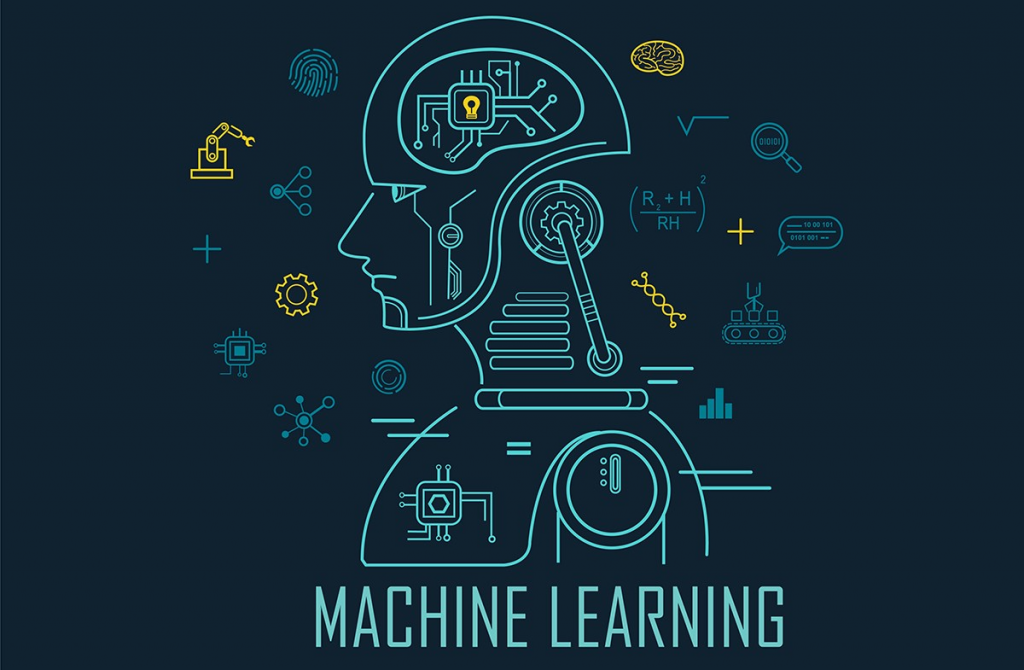
 

Future Scope of Machine Learning

Machine learning has emerged as one of the most influential technologies in the modern digital era. As organizations across the world continue to collect and process massive volumes of data, the ability to analyze that data and extract meaningful insights has become extremely valuable. Machine learning enables computers and systems to learn from data patterns, make predictions, and improve performance without being explicitly programmed for every task. Because of these capabilities, the future scope of machine learning is vast and continues to expand across many industries.

The growing reliance on data-driven decision-making has made machine learning an essential technology for businesses, governments, research institutions, and technology companies. As a result, professionals who possess strong machine learning skills are increasingly in demand. With the right training and practical experience, individuals can build rewarding careers in this rapidly evolving field.


Rising Demand for Machine Learning Professionals

One of the strongest indicators of the future potential of machine learning is the increasing demand for skilled professionals in this field. Organizations are investing heavily in artificial intelligence and machine learning technologies to improve efficiency, automate processes, and gain valuable insights from data.

Many companies now rely on machine learning algorithms to analyze customer behavior, detect patterns, and make accurate predictions. Because these technologies require skilled professionals to design, build, and maintain them, the demand for machine learning engineers, data scientists, and AI specialists continues to grow.

The technology sector is not the only industry that requires machine learning expertise. Businesses in finance, healthcare, retail, logistics, and manufacturing are also actively seeking professionals who understand machine learning techniques and data analysis. This widespread demand creates strong job prospects for individuals trained in machine learning.


Expanding Applications Across Industries

Machine learning is transforming a wide range of industries by improving efficiency, reducing costs, and enabling new innovations. Its applications continue to grow as organizations discover new ways to use data and automation.

In the healthcare industry, machine learning is helping doctors analyze medical images, predict diseases, and improve treatment plans. Hospitals and research institutions use machine learning algorithms to study patient data and identify patterns that can lead to better diagnoses and personalized healthcare solutions.

The financial sector also uses machine learning extensively. Banks and financial institutions rely on machine learning models to detect fraudulent transactions, assess credit risks, and analyze financial market trends. These systems help organizations improve security and make more accurate financial decisions.

In the e-commerce industry, machine learning powers recommendation systems that suggest products based on customer preferences and purchasing behavior. Online platforms analyze user data to provide personalized shopping experiences and targeted marketing campaigns.

The transportation and logistics industries also use machine learning to optimize delivery routes, predict maintenance needs, and improve supply chain management. By analyzing data from sensors and tracking systems, companies can make operations more efficient and cost-effective.

These examples demonstrate that machine learning is not limited to one sector but plays an important role in many areas of the modern economy.


Key Role in Artificial Intelligence Development

Machine learning is a fundamental component of artificial intelligence systems. Many AI technologies rely on machine learning algorithms to process data and improve their performance over time.

Technologies such as natural language processing allow computers to understand and respond to human language. Chatbots and virtual assistants use machine learning to interpret user queries and provide relevant responses.

Computer vision is another field that relies heavily on machine learning. This technology allows machines to analyze images and videos, enabling applications such as facial recognition, object detection, and automated quality inspection in manufacturing.

Speech recognition systems also use machine learning to convert spoken language into text. These technologies power voice-controlled assistants and other voice-based applications.

As artificial intelligence continues to evolve, machine learning will remain a core technology that enables intelligent systems to learn, adapt, and improve.


Data-Driven Decision Making in Businesses

Modern organizations depend heavily on data to make strategic decisions. Machine learning allows companies to analyze large datasets and extract valuable insights that support business strategies.

Predictive analytics is one of the most powerful applications of machine learning. By analyzing historical data, machine learning models can forecast future trends and help organizations plan more effectively.

For example, retail companies use machine learning models to predict customer demand and optimize inventory management. Marketing teams use machine learning tools to analyze customer preferences and design targeted advertising campaigns.

Machine learning also helps organizations identify patterns in operational data, allowing them to improve efficiency and reduce costs. Companies that successfully implement data-driven decision-making gain a significant competitive advantage in the marketplace.

Professionals with machine learning expertise play an important role in helping businesses transform raw data into actionable insights.


Automation and Smart Technologies

Automation is another major area where machine learning is shaping the future. Many industries are adopting automated systems that rely on machine learning algorithms to perform complex tasks.

In manufacturing, machine learning systems can monitor production processes and detect potential issues before they cause equipment failures. Predictive maintenance models help companies reduce downtime and improve productivity.

In transportation, machine learning is used in the development of self-driving vehicles and intelligent traffic management systems. These technologies analyze data from sensors and cameras to make real-time decisions.

Smart home devices also use machine learning to adapt to user preferences and automate daily tasks such as lighting control, temperature regulation, and security monitoring.

Automation powered by machine learning improves efficiency, reduces operational costs, and enables businesses to operate more effectively.


Opportunities in Research and Innovation

Machine learning is a rapidly evolving field that offers significant opportunities for research and innovation. Scientists and researchers around the world are developing new algorithms, techniques, and applications that push the boundaries of what machine learning can achieve.

Research in machine learning is helping solve complex problems in areas such as climate change, medicine, robotics, and cybersecurity. Advanced machine learning models are being developed to analyze environmental data, discover new medicines, and improve cybersecurity systems.

Universities and research institutions are also offering advanced academic programs in machine learning and artificial intelligence. Students who are interested in research can pursue higher studies and contribute to the development of new technologies.

Innovation in machine learning continues to expand the possibilities of artificial intelligence and create new opportunities for professionals in this field.


Global Career Opportunities

Machine learning skills are highly valued in the global job market. Technology companies, startups, and research organizations around the world are actively hiring professionals who have expertise in machine learning and data science.

Major technology companies invest heavily in artificial intelligence research and development. These organizations require skilled engineers and analysts who can design machine learning models and develop intelligent applications.

The global nature of the technology industry also allows professionals to collaborate with teams from different countries. Many companies offer remote work opportunities that enable machine learning experts to work on international projects.

Because machine learning technologies are used worldwide, professionals with these skills have access to diverse career opportunities and competitive salaries.


Entrepreneurial Opportunities

Machine learning is not only beneficial for job seekers but also for entrepreneurs who want to build innovative businesses. Many startups are using machine learning technologies to develop new products and services that solve real-world problems.

For example, entrepreneurs are creating AI-powered applications that analyze customer behavior, automate business processes, and provide personalized recommendations.

Startups in healthcare, finance, education, and transportation are using machine learning to develop intelligent solutions that improve efficiency and user experiences.

Entrepreneurs with knowledge of machine learning can create technology-based businesses that leverage data-driven insights and automation.

The ability to build innovative products using machine learning technologies creates exciting opportunities for individuals who want to start their own ventures.


Integration with Emerging Technologies

Machine learning is closely connected with several other emerging technologies that are shaping the future of the digital world.

Big data technologies provide the massive datasets needed to train machine learning models. Cloud computing platforms offer the computing power required to process large volumes of data and develop advanced algorithms.

The Internet of Things (IoT) generates continuous streams of data from connected devices such as sensors, smart appliances, and industrial machines. Machine learning algorithms analyze this data to identify patterns and improve system performance.

Blockchain technology can also be integrated with machine learning systems to enhance data security and transparency.

The combination of machine learning with these technologies creates powerful digital ecosystems that support smart cities, intelligent transportation systems, and automated industries.


Continuous Learning and Career Growth

The field of machine learning offers long-term career growth because technology continues to evolve rapidly. Professionals who start their careers in machine learning can expand their expertise and move into advanced roles over time.

Entry-level professionals may begin as data analysts or junior machine learning engineers. With experience and advanced skills, they can progress to roles such as AI specialists, research scientists, or technical consultants.

Experienced professionals may also take leadership roles in technology companies, managing teams that develop machine learning solutions.

Continuous learning is essential in this field because new algorithms, tools, and technologies are constantly being developed. Professionals who stay updated with industry trends can maintain strong career growth and remain competitive in the job market.


Importance of Machine Learning Education

As the demand for machine learning expertise continues to grow, structured training and education have become increasingly important. Learning machine learning concepts through practical training helps individuals develop the technical skills required for real-world applications.

Training programs that include programming, data analysis, and machine learning algorithms provide a strong foundation for beginners. Hands-on projects and practical exercises help learners gain confidence and experience working with real datasets.

Educational programs that focus on both theoretical knowledge and practical implementation prepare students for careers in artificial intelligence and data science.


Conclusion

The future scope of machine learning is extremely promising as organizations continue to adopt artificial intelligence and data-driven technologies. Machine learning is transforming industries by enabling automation, improving decision-making, and creating intelligent systems that learn from data.

From healthcare and finance to e-commerce and transportation, machine learning applications are expanding rapidly and creating new opportunities for skilled professionals. The increasing demand for machine learning experts ensures strong career prospects and long-term professional growth.

In addition to career opportunities, machine learning also supports innovation, entrepreneurship, and research that can address complex global challenges.

As technology continues to evolve, machine learning will remain one of the most important fields in the digital economy. Individuals who develop strong machine learning skills will play a crucial role in shaping the future of intelligent systems, data-driven businesses, and advanced technological solutions.