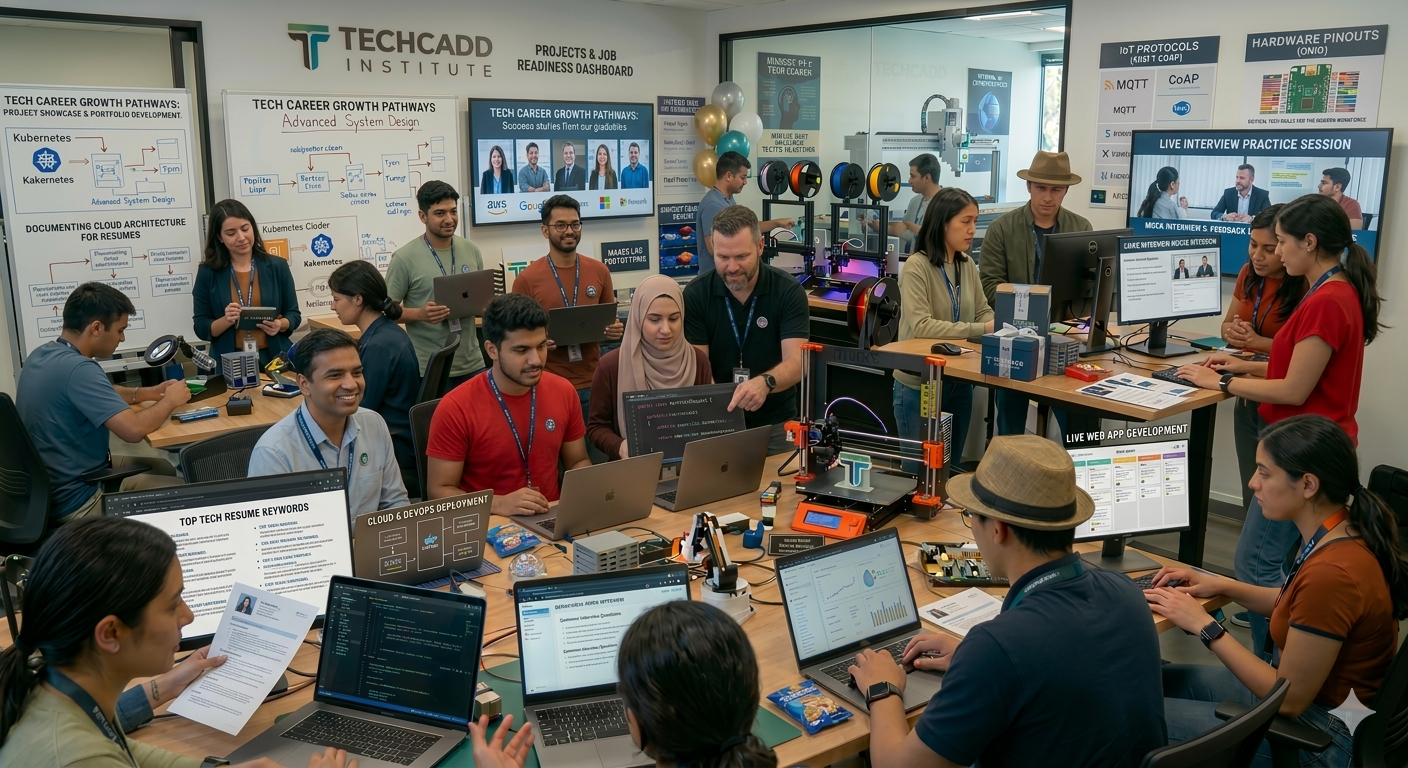
Data analytics has become a crucial skill in the modern digital economy. Organizations today rely heavily on data to make informed decisions, understand customer behavior, and improve business performance. As a result, professionals who can analyze and interpret data are in high demand across many industries. The Techcadd student data analytics training program is designed to equip learners with the skills and knowledge needed to work with data effectively. The image represents a modern training classroom where students are actively learning data analytics techniques while analyzing charts, graphs, and datasets on their laptops.
At Techcadd, data analytics training focuses on building a strong understanding of how data can be collected, processed, and analyzed to generate meaningful insights. Students are introduced to key concepts such as data collection methods, data cleaning techniques, statistical analysis, and data visualization. These fundamental skills help learners understand how raw data can be transformed into valuable information that organizations can use to improve their strategies and operations.
The classroom environment encourages active participation and hands-on learning. Students work on computers while exploring datasets and performing analytical tasks. Trainers guide learners through different data analysis techniques and demonstrate how to use tools that help process and interpret data. This interactive learning approach ensures that students gain practical experience rather than only theoretical knowledge.
One of the most important aspects of data analytics training is learning how to use modern analytical tools. Students are often introduced to tools such as spreadsheet software, business intelligence platforms, and programming environments used for data analysis. These tools help learners organize large datasets, create reports, and generate visual representations of information.
Data visualization is an essential component of the analytics process. Students learn how to present data using charts, graphs, dashboards, and reports that make complex information easier to understand. Effective visualization allows organizations to quickly identify trends, patterns, and opportunities. Through practical exercises, students develop the ability to create clear and impactful visual reports that communicate insights effectively.
Project-based learning is another key feature of the Techcadd data analytics training program. Students work on practical projects that simulate real-world scenarios, such as analyzing sales data, evaluating business performance, or identifying customer trends. These projects help learners apply analytical techniques to practical problems and develop problem-solving skills.
Collaboration is encouraged throughout the training process. Students often work in teams where they share ideas, analyze datasets together, and discuss possible solutions to analytical challenges. This teamwork improves communication skills and prepares learners for professional environments where data analysts frequently collaborate with other departments.
Mentorship from experienced trainers plays a vital role in helping students master data analytics concepts. Trainers provide step-by-step guidance during exercises and projects, explain complex analytical techniques, and provide constructive feedback that helps students improve their analytical thinking.
Another benefit of data analytics training is the opportunity to build a strong professional portfolio. As students complete assignments and projects, they create reports and analytical dashboards that demonstrate their abilities. These portfolios can be used to showcase their skills when applying for internships or jobs in the analytics field.
The image of students analyzing data in a modern classroom highlights the curiosity and dedication required to become a successful data analyst. Each learner is focused on understanding how data can be used to uncover insights and support better decision-making.
Overall, the Techcadd student data analytics training program prepares learners for careers in a data-driven world. Through practical training, project-based learning, and expert mentorship, students gain the analytical skills and technical knowledge required to succeed in industries that rely on data for strategic decision-making.