Flutter App Development Certificate Program in Jalandhar with Live Projects & Placement Support
Learn cross-platform app development with Flutter and Dart, wire up real Firebase backends, and ship apps that use actual device hardware — camera, location, push notifications — not just widget demos on an emulator.
- Live client projects
- Practitioner trainers
- Placement support
- Certificate + internship
- Duration
- 3, 6 or 9 Months
- Syllabus
- 26 Modules, 2026 Edition
- Mode
- Classroom, Weekend & 1-on-1
- Includes
- Published Client App
- Students trained
- 25,000+Students trainedsince 2007
- Google rating
- 4.9★Google rating556+ reviews
- Practical training
- 100%Practical traininglive client work
Course overview
This programme starts where most learners actually are: zero app-building experience, maybe some scattered YouTube exposure. You begin with Dart — variables, OOP, async/await, null safety — because Flutter without solid Dart is just copy-pasting widgets you don't understand. From there you move into the Flutter widget tree, Stateless and Stateful widgets, layouts and navigation, then into responsive UI, theming and animation.
Once you can build a screen, you learn to manage what happens behind it — state management with Provider, Riverpod and Bloc — before connecting to the outside world through REST APIs, JSON parsing and a full Firebase stack: Authentication, Firestore, Cloud Messaging and Storage. Local persistence via SQLite and Hive, native device features and testing round out the build, ending in a Play Store submission. If you want a slower on-ramp into general scripting first, our Python programme covers those fundamentals separately.
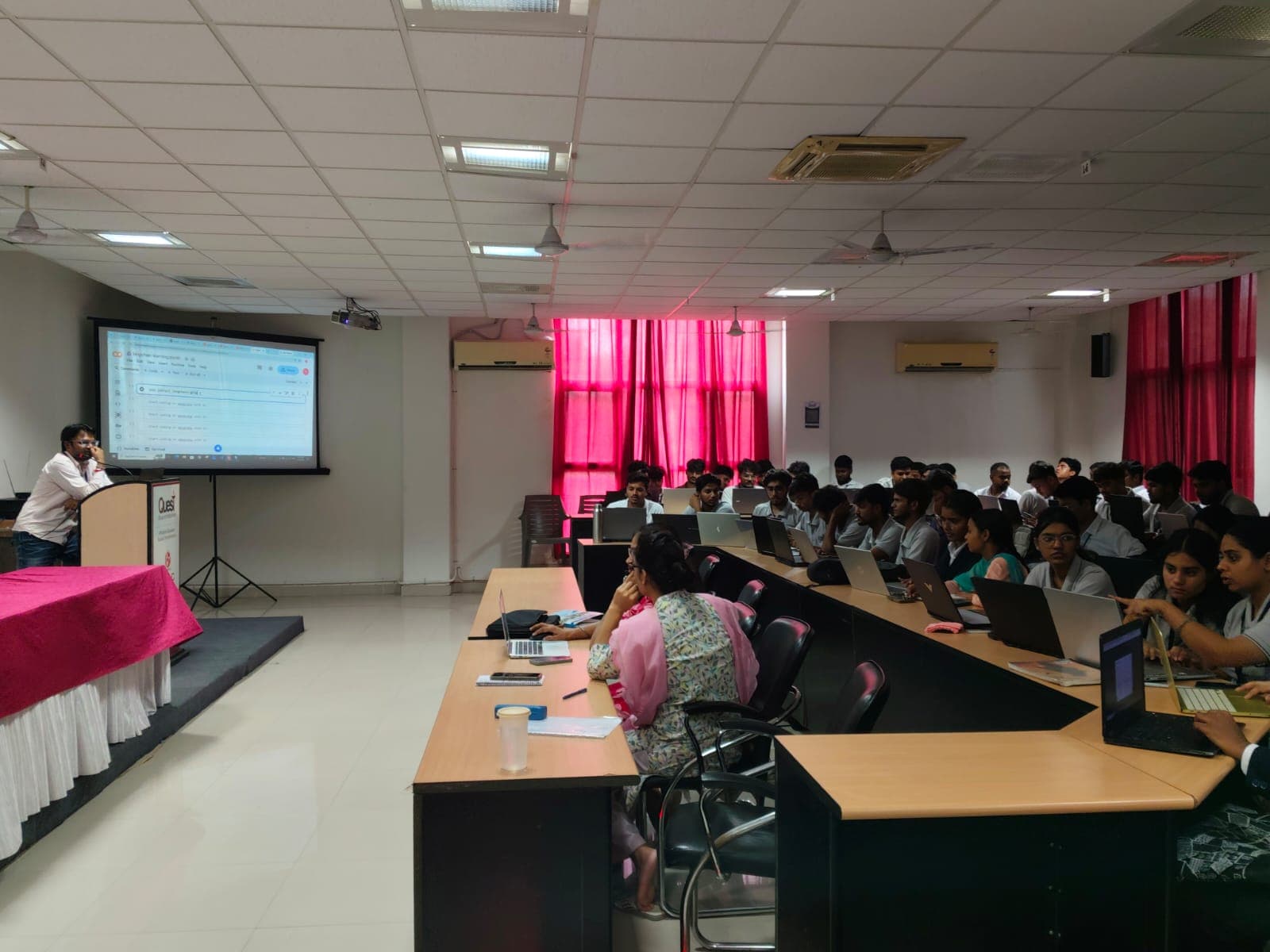
Industry-Ready Training in Flutter App Development
- 100% practical, project-based learning
- AI tools integrated into every module
- Live client projects under trainer supervision
- Internship letter and placement support
- Small batches with daily doubt clearing
Who can dothis course
Seven different starting points share the same batch, and the syllabus assumes none of them. Module 01 teaches Dart from zero, so no programming background is required — what decides how far you get is turning up consistently and finishing what each module asks you to build.
Post-12th students, any stream
You don't need a computer science background or prior coding. You start at Dart fundamentals in week one. By the end you have a working app on your phone instead of a stream-limited résumé.
CS/IT graduates and final-year students
You have likely covered programming theory and maybe one language in depth, but never shipped a real app end to end. This course fills the gap between "I can write code" and "I have a published app with my name on the commit history."
Working web or native Android developers adding cross-platform skills
You already ship software for a living. Flutter lets you write one codebase for Android and iOS instead of maintaining two, which is exactly what agencies and startups are asking developers to do now. You will move faster through fundamentals and spend more time on state management and Firebase.
Small business owners who want an app without hiring an agency
You don't need to become a full-time developer. Understanding what Flutter can and can't do — and how Firebase handles backend costs — means you can either build a first version yourself or brief an agency without getting oversold.
Freelancers billing both Android and iOS from one codebase
Instead of quoting separate native builds, you quote one Flutter build and deliver to both stores. That is a direct pricing and turnaround-time advantage on freelance platforms.
Career restarters
Coming back after a break — family, a different industry, a pause — is harder when your last job title doesn't map to what recruiters search for. Six built apps and a Play Store listing are proof of current, not past, capability.
Self-taught learners stuck in tutorial hell
You have followed along with a dozen YouTube builds and can't yet build something of your own without a video open beside you. The difference here is a mentor reviewing your code, not someone else's finished repo.
Why this programmeis worth your year
Flutter's real pull for Indian dev shops isn't novelty — it's cost. A single Flutter codebase deploys to both Android and iOS, which means agencies and startups quote one build instead of two, and freelancers can bill both platforms from one project. That is why Flutter shows up so often in startup MVP work, agency client projects and remote or freelance contracts where budgets are tight and timelines are tighter.
The mechanism that makes this training count for something isn't the syllabus — every institute's brochure syllabus looks similar. It is the feedback loop: you get a live project brief, you build against it, a mentor reviews your actual code and flags what a code reviewer at a real job would flag, and you fix it before moving on. That loop — brief, build, review, fix — is what a YouTube playlist can't give you, no matter how good the videos are.
As a fresher in Punjab or the Tricity, indicative market data puts starting Flutter developer pay around ₹1.8–3.5 LPA, rising to roughly ₹4–7 LPA after two years, and higher again for Delhi NCR and remote or freelance work. That range opens roles like Flutter Developer, Mobile App Developer and Junior Mobile Software Engineer.
To be direct about the alternative: free YouTube tutorials are genuinely good for learning syntax and seeing how widgets fit together. What they don't give you is someone checking your code for the mistakes you don't know you are making, a deployed app with your name on the store listing, or a portfolio a recruiter can actually open and use. That gap — not raw information — is what a structured certificate programme is paying for.
We run batches for home-based learners in Model Town, Urban Estate, Adarsh Nagar, Basti Bawa Khel and Rama Mandi, and for commuting learners travelling in from Phagwara, Kapurthala, Nakodar, Hoshiarpur and Adampur — with Classroom, Weekend and 1-on-1 formats so a daily commute or a day job doesn't rule the programme out.
Flutter Is How Most New Client Apps Get Built
- Six live projects built during the programme, ending in an app published under your own name.
- Trainers who ship commercial Flutter apps, and a placement cell that circulates resumes and runs mock interviews.
Reviewed by mentors. Built for interviews.What you will
actually build
Every module below ends with something working — a screen, a feature, an integration or a deployed app — not just notes. Months 1–3 cover foundations: Dart from zero through the widget tree, state management, async programming and working with APIs. Months 4–6 build production-ready skills — Firebase, testing, advanced UI, platform integration, architecture and performance, plus AI integration and publishing. Months 7–9 add advanced engineering: Riverpod and GetX deep dives, Clean Architecture, LLM and on-device AI, agentic features, a Supabase backend, CI/CD, monetisation, analytics and a client capstone published to the store.
Introduction to Dart
- Dart basics, syntax, variables, data types and type inference
- Control flow — if/else, loops and switch expressions
- Functions, named and optional parameters
- Object-oriented programming — classes, inheritance, interfaces and constructors
- Collections — List, Set and Map
- Null safety and Dart's sound type system
- Deliverable: a command-line Dart programme using OOP, collections and null-safe types
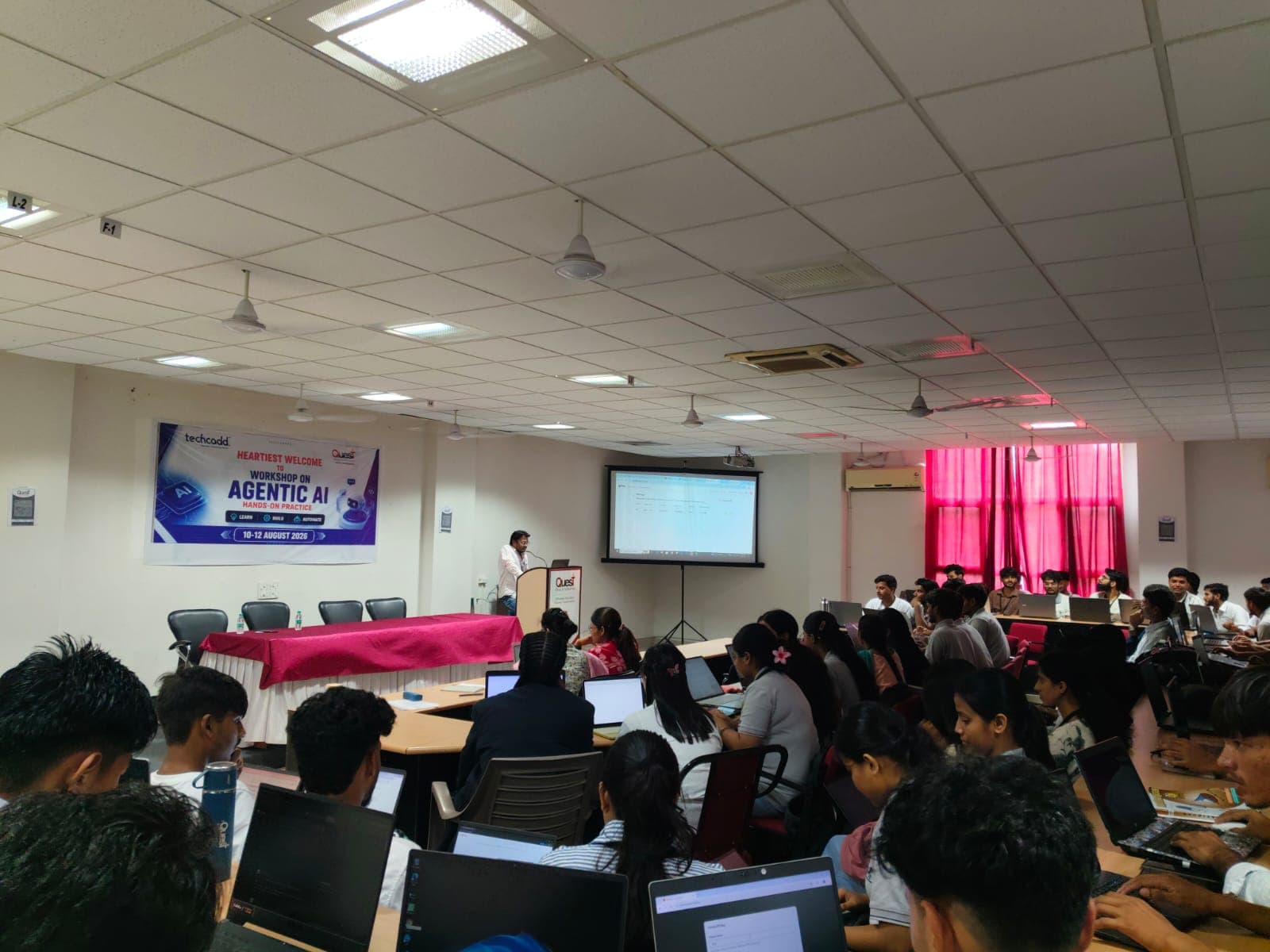
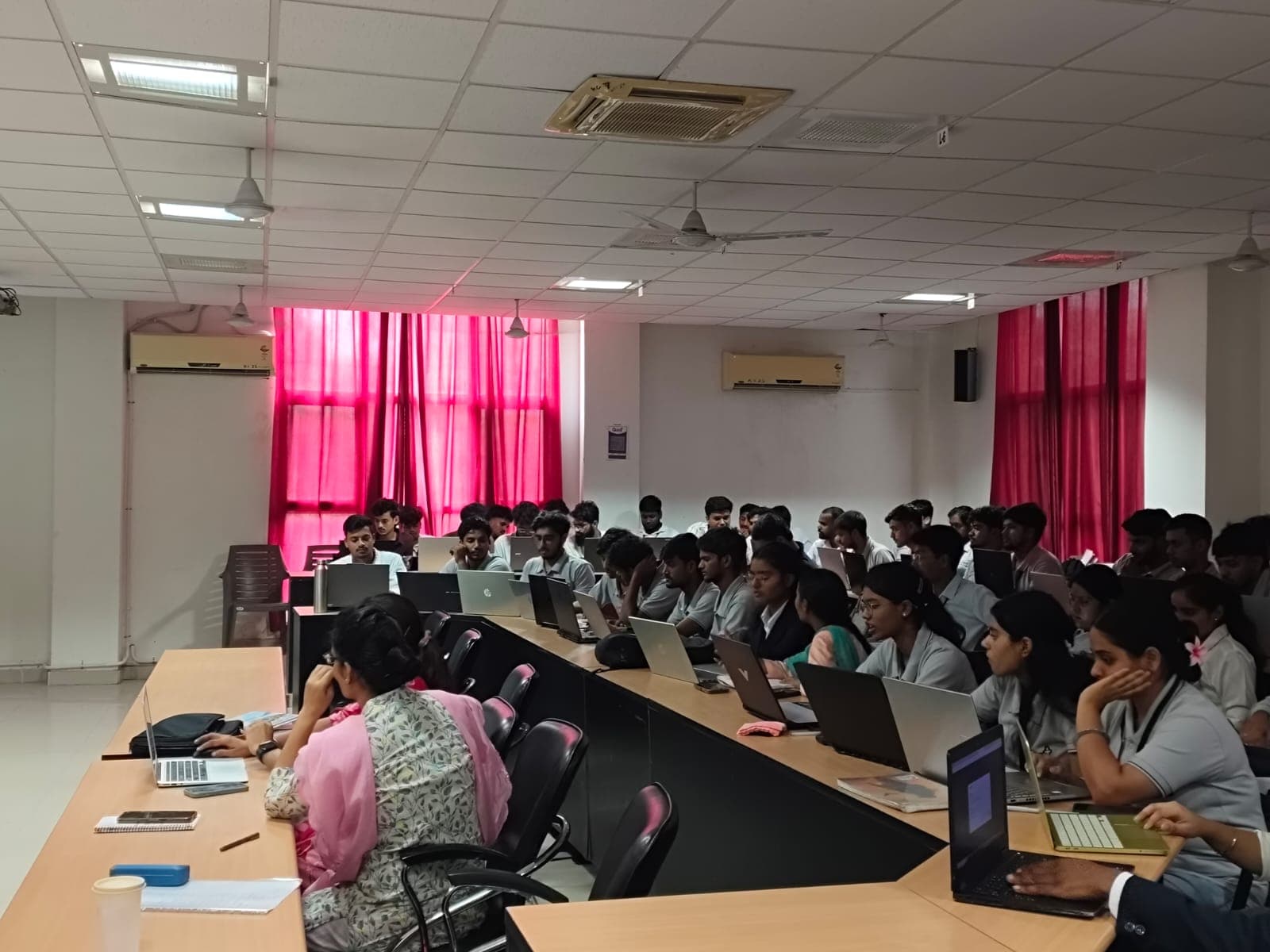
One course.A mesh of real tools.
Everything below is installed on the lab machines and used on live client work, not shown once in a slide and forgotten.
 Git & GitHub
Get Certified in
Flutter App Development
Complete the course with a portfolio of live projects and receive an industry-recognised certificate, plus a documented internship letter accepted by Punjab universities.
 Computer Education · JalandharCertificateof Project ExcellenceThis is to certify thatStudent Name
has designed, built and deployed a live capstone project in Flutter App Development, reviewed and graded under industry mentorship.
Computer Education · JalandharCertificateof Course CompletionThis is to certify thatStudent Namehas successfully completed the professional training programme in Flutter App Development with a grade of A+.
Two certificates on completion — the course certificate and a separate capstone project certificate.
Where this coursetakes you
The roles this opens, what they pay in Punjab and beyond, and who is hiring for them — the same figures our free Salary Estimator publishes, not a brochure number.
What job roles does this programme prepare me for?
Flutter Developer — builds and maintains cross-platform apps from a single codebase, hired by startups, dev agencies and product companies shipping to Android and iOS together. Mobile App Developer — a broader role spanning native and cross-platform work, common at IT services companies and agencies serving SMB clients. Cross-Platform App Developer — write-once, deploy-everywhere builds, frequently found in agencies pitching cost-conscious startup clients and in remote contract work. Junior Mobile Software Engineer — an entry-level seat inside a product team under a senior mobile lead. App UI Developer — the UI, animation and design-fidelity layer, hired by design-led teams translating Figma files into pixel-accurate builds. Freelance App Developer — direct client briefs via Upwork, Fiverr or referrals, billed per project.
What can I earn, and how fast does it grow?
Indicatively: ₹1.8–3.5 LPA as a fresher in Punjab and the Tricity, rising to ₹4–7 LPA after about two years. Delhi NCR runs higher at ₹3–5.5 LPA for freshers and ₹6–11 LPA after two years, and remote or freelance work sits at ₹3.5–6.5 LPA and ₹7–14 LPA respectively. These ranges are indicative, based on public India market data and not yet cross-checked against techcadd's own placement records — actual offers vary by employer, your specific skill depth and interview performance.
Why Flutter rather than two native builds?
Cost, mostly. A single Flutter codebase deploys to both Android and iOS, so agencies and startups quote one build instead of two and freelancers bill both platforms from one project. That is why Flutter turns up so often in startup MVP work, agency client projects and remote contracts where budgets are tight and timelines tighter.
Can I freelance or work remotely with this skill?
Yes, and remote or freelance is the highest of the three market bands quoted above. The capstone module covers writing a technical proposal from a client brief, estimating timelines, pricing a Flutter project and handling change requests, so you can quote and scope a job rather than only build it. The programme is structured to produce that depth, not just the technical skills.
What actually goes on my resume at the end?
Six portfolio apps, a capstone published to the Play Store under your own name, a public GitHub repository with reviewed pull requests and passing CI, a package on pub.dev, an Industry Certificate in Flutter App Development, a documented internship letter covering your project hours and the live client brief, and a separate Certificate of Project Excellence for the capstone.
Hands-on projectsyou will ship
E-Commerce Shopping App
A full shopping flow — product catalogue, cart and checkout — with real-time data behind it.
Food / On-Demand Delivery App
An order-tracking app with live location updates, similar in shape to real delivery platforms.
Social / Chat App
Real-time messaging with push notifications, backed by a live database.
Expense Tracker App
An offline-first personal finance app that works without a network connection.
News / Content Aggregator App
A dynamic, paginated feed pulled live from an external API.
Capstone: Live Client App
A real client brief, built under mentor review and deployed to the Play Store — your first genuinely published app.
Learn it. Build it. Make it yours.
Every project moves through the same loop: understand the brief, build with guidance, then explain the decisions behind your work.
Understand
Break a real requirement into a clear plan and the right tools.
E-Commerce Shopping AppBuild
Work hands-on with trainer feedback while the decisions are still easy to change.
Food / On-Demand Delivery AppPresent
Turn the finished work into a portfolio story you can defend in an interview.
Social / Chat AppWhy students choosetechcadd
Set two Flutter course brochures from two different Jalandhar institutes side by side and the module lists will look nearly identical — Dart, widgets, state management, Firebase, publish. That is not a red flag by itself; it is just how syllabi get written. What actually differs is what happens inside each module.
Trainers who currently ship apps commercially
They are not teaching from a slide deck written once and reused for years — they bring in patterns from apps they are actively shipping, including where those apps broke in production.
Real device testing, not just emulator screenshots
Your app gets tested on a physical Android handset for camera, location and sensor features, because emulator behaviour doesn't always match real hardware.
Live client briefs, not invented ones
The capstone is a real project brief with real constraints, not a made-up spec designed to be easy to finish.
Mentor code review on your actual submissions
Your own code is read and marked up — not a group Q&A session where only the loudest question gets answered.
Three batch formats across three durations
Classroom, Weekend and 1-on-1, across the 3, 6 and 9-month tracks, so the format bends around your schedule instead of the other way round.
A placement cell that follows up
Resumes circulated, mock interviews run, follow-up after a rejection rather than on the last day of the batch. We are not going to overstate this one — see the honest answer in the FAQ.
How techcaddcompares
Set two Flutter brochures side by side and the module lists look nearly identical. These are the eight things worth asking about before you pay any institute, including this one.
| Feature | techcadd | Other institutes |
|---|---|---|
| Curriculum currency | Updated for current Flutter/Dart null-safety, with Riverpod and Bloc alongside Provider | Often frozen on an older Flutter version, Provider-only |
| Learning style | Build-along — one working feature shipped per session | Theory-heavy slides, coding compressed into the final weeks |
| Trainer background | Trainers actively shipping commercial Flutter apps | Often a training-only background, with no live client work claimed |
| Project realism | Real device testing plus a live client capstone brief | Emulator-only screenshots submitted as "projects" |
| Placement support | A placement cell that circulates resumes and runs mock interviews — support, not a guarantee | Vague "100% placement" claims with no visible mechanism |
| Batch flexibility | Classroom, Weekend and 1-on-1, across all three durations | Usually one fixed batch timing |
| Doubt support | Direct mentor review on the code you submitted | Group doubt-clearing sessions, limited 1-on-1 time |
| Certification | Industry Certificate, internship letter and a separate capstone Certificate of Project Excellence | A single generic completion certificate |
Honestly: don't take this table's word for it either. Ask any institute — including us — to show real, published apps built by past students, with store listings you can actually open. That is a fairer test than any comparison table.
What you are reallybeing taught
Every package named in this syllabus will change. These ideas will not — they are what you are really being taught, and what a strong candidate can articulate under questioning.
Evidence beats opinion
Anyone can say they know Flutter. A merged pull request, a published package and a signed release build are what distinguish a developer from someone with a certificate.
The framework changes, the fundamentals don't
Widgets, packages and even Flutter's own APIs turn over every year. Async programming, state management and clean architecture have not changed in a decade — learn those deeply.
A model is a feature, not a product
An AI call with no fallback, no cost control and no confirmation step is a demo, not a shippable feature. Every AI module in this syllabus ends in a failure-mode test for exactly that reason.
A broken pipeline makes every release a guess
Manual builds, unsigned binaries and untested merges produce apps that work on one machine and crash on another. Fix the pipeline before you ship anything through it.
Shipped beats perfect
A published app with rough edges teaches more, and proves more to a hiring panel, than an unfinished one polished in isolation. Every stage in this programme ends with something live.
Frequently Asked Questions
No. The programme starts from Dart fundamentals in week one. If you are a 12th pass from any stream, you can start here.
Three tracks: Practitioner (3 months), Professional (6 months) and Expert (9 months). Each builds on the one before it — see the duration guide for what each level covers.
Fees vary by track (3, 6 or 9 months) and format (Classroom, Weekend or 1-on-1). Rather than quote a number here that might be out of date, talk to a counsellor for the current fee structure for your preferred track.
12th pass students from any stream, CS/IT graduates, working developers adding Flutter to their skillset, small business owners, freelancers, career restarters and self-taught learners — no prior coding is required.
Flutter Developer, Mobile App Developer, Cross-Platform App Developer, Junior Mobile Software Engineer, App UI Developer and Freelance App Developer — see Future scope above for what each involves.
Indicatively, ₹1.8–3.5 LPA in Punjab and the Tricity, ₹3–5.5 LPA in Delhi NCR, and ₹3.5–6.5 LPA for remote or freelance work — these are market-data estimates, not guaranteed offers.
No — and we would be cautious of anyone who tells you otherwise. What we provide is placement support: resume circulation, mock interviews and follow-up through our placement cell. The outcome still depends on your skill level and interview performance.
Flutter SDK, Dart, Android Studio, VS Code, Firebase (Auth, Firestore, Cloud Messaging, Storage), REST APIs and JSON, Git and GitHub, Provider/Riverpod/Bloc/GetX, SQLite and Hive, ML Kit, Supabase, GitHub Actions, Fastlane, RevenueCat, Postman, and Figma for UI reference.
An Industry Certificate in Flutter App Development documenting the modules covered and the capstone delivered, a documented internship letter covering your project hours and the live client brief you worked against, and — if you complete the capstone — a separate Certificate of Project Excellence. We are not naming a third-party accreditation body because none applies: treat the certificate as proof of completed, mentor-reviewed project work rather than a formal accreditation.
The capstone project in the Expert (9-month) track is genuinely submitted to the Play Store as part of the programme, built against a real client brief — it is not a simulated exercise.
Yes. Classroom, Weekend and 1-on-1 formats are available across all three durations, which is how we accommodate both local and commuting learners.
Choose the right duration for you
Start with the time you can commit consistently. Every track begins with practical foundations, then adds depth as your goals grow.
Practitioner
Build and complete a functional Flutter application with multiple screens, responsive UI, navigation, forms, basic state management and local data handling — Dart fundamentals, Flutter fundamentals, UI development, state management, async programming and working with data and APIs.
Professional
Build and ship a production-ready Flutter application connected to Firebase and real device capabilities. Adds REST APIs and WebSockets, SQLite, Firebase Auth, Firestore and push notifications, testing and debugging, advanced UI, platform integration, architecture and performance optimisation.
Expert
Develop and deploy intelligent, production-grade Flutter applications with AI integration and professional engineering workflows — Riverpod and GetX, Clean Architecture, LLM and on-device AI, agentic features, a Supabase backend, CI/CD, monetisation, analytics and a client capstone published to the store.
Choose the rightduration for you
A tick means the module is taught and assessed at that length; a cross means it is not included. Modules carry forward — everything in Practitioner is also in Professional and Expert, and nothing is dropped as the track lengthens. The programme teaches Dart from zero in the first module, so no programming background is assumed.
Practitioner
6 modules
Build and complete a functional Flutter application with multiple screens, responsive UI, navigation, forms, basic state management and local data handling — Dart fundamentals, Flutter fundamentals, UI development, state management, async programming and working with data and APIs.
Professional
+12 modules
Build and ship a production-ready Flutter application connected to Firebase and real device capabilities. Adds REST APIs and WebSockets, SQLite, Firebase Auth, Firestore and push notifications, testing and debugging, advanced UI, platform integration, architecture and performance optimisation.
Expert
+8 modules
Develop and deploy intelligent, production-grade Flutter applications with AI integration and professional engineering workflows — Riverpod and GetX, Clean Architecture, LLM and on-device AI, agentic features, a Supabase backend, CI/CD, monetisation, analytics and a client capstone published to the store.
| Module | 3 Months | 6 Months | 9 Months |
|---|---|---|---|
| 01Introduction to DartSyntax, control flow, functions, OOP, collections and null safety — from absolute zero to a command-line programme. | Included | Included | Included |
| 02Flutter FundamentalsThe rendering engine, Android and iOS setup, the widget tree, Stateless vs Stateful, layout and gestures. | Included | Included | Included |
| 03Flutter UI DevelopmentMaterial and Cupertino widgets, themes and design tokens, reusable widgets, adaptive layouts, routing, forms and animations. | Included | Included | Included |
| 04State ManagementsetState and lifting state, InheritedWidget, Provider for app-wide state, the Bloc pattern, and how to choose between them. | Included | Included | Included |
| 05Asynchronous ProgrammingFutures and async/await, Streams and StreamBuilder, isolates for CPU-heavy work, and keeping the UI unblocked. | Included | Included | Included |
| 06Working with Data & APIsJSON serialisation, REST APIs, WebSockets, SharedPreferences and SQLite for structured local storage. | Included | Included | Included |
| 07Firebase IntegrationProject setup for both platforms, Auth by email, Google and phone, Cloud Firestore, Cloud Messaging and Analytics. | Not included | Included | Included |
| 08Testing & DebuggingUnit, widget and integration tests, debugging tooling, and performance profiling with Flutter DevTools. | Not included | Included | Included |
| 09Advanced UI TechniquesCustomPainter drawing, advanced animations, complex gestures, and internationalisation across multiple languages. | Not included | Included | Included |
| 11Platform IntegrationNative code over MethodChannel, camera and sensor access, background processes and end-to-end push notifications. | Not included | Included | Included |
| 12State Management Deep DiveAdvanced Provider patterns, Riverpod for compile-safe state, GetX for routing and DI, and Flutter Hooks. | Not included | Included | Included |
| 13Advanced Dart FeaturesGenerics, extension methods, mixins and advanced isolate patterns — shipped as a reusable, unit-tested package. | Not included | Included | Included |
| 14Architecture & Design PatternsMVVM and Clean Architecture, the repository pattern, and dependency injection with get_it, injectable and freezed. | Not included | Included | Included |
| 15Performance OptimizationWidget and render-tree tuning, leak detection, build-size reduction, and DevTools profiling and benchmarking. | Not included | Included | Included |
| 16AI Integration in Flutter ApplicationsIn-app chatbots and summarisation against a live text-generation API, with locally stored conversation history. | Not included | Included | Included |
| 17On-Device AI Using ML KitText recognition, OCR and face detection running on-device from the camera. | Not included | Included | Included |
| 18Publishing & DeploymentStore guidelines, Android and iOS release binaries, CI/CD fundamentals, app signing and release management. | Not included | Included | Included |
| 19Flutter Plugins & PackagesWriting custom plugins, evaluating third-party packages, and publishing your own to pub.dev with docs and tests. | Not included | Included | Included |
| 10Capstone Production App & Client HandoffRefactoring, staged environments, versioning, store metadata, crash reporting and a written technical handoff. | Not included | Not included | Included |
| 20Git & GitHub for Flutter TeamsBranching and conflict resolution, GitFlow, pull requests and review, GitHub Actions, branch protection and sprint boards. | Not included | Not included | Included |
| 21Generative AI APIs & LLM IntegrationOpenAI, Claude and Gemini APIs, streaming into Flutter, function calling, RAG, vector databases and cost control. | Not included | Not included | Included |
| 22Agentic & Multimodal AI FeaturesPlan-act-observe agent loops, speech and vision, tool calling into native functions, and safety confirmations. | Not included | Not included | Included |
| 23Backend for Flutter — Supabase & Cloud FunctionsPostgres schema design, row-level security, Supabase Auth and Edge Functions, webhooks and environment separation. | Not included | Not included | Included |
| 24CI/CD & Store Release EngineeringGitHub Actions pipelines, Fastlane, Android and iOS signing, staged rollouts, feature flags and crash reporting. | Not included | Not included | Included |
| 25App Monetization & AnalyticsIn-app purchases and subscriptions, RevenueCat and Play Billing, AdMob, product analytics and conversion funnels. | Not included | Not included | Included |
| 26Architect Capstone — Client App from Brief to StoreA technical proposal, estimates and pricing, architecture decision records, client demos, and an app published live. | Not included | Not included | Included |
Track progression: Practitioner builds the fundamentals, Professional develops production-ready Flutter skills, and Expert adds AI, backend, architecture, deployment, monetisation and client-level delivery. Longer tracks continue where the shorter ones end, so nothing is paid for twice.
Not sure if Flutter App Development is the right fit?
One call with a counsellor is usually enough to find out. Book a free demo class and see the lab before you decide.
Ask aboutFlutter App Development
Send your question and a counsellor will call you back about batch timings, fees, EMI options, placement record, or whether this course fits your degree.
- Free counselling and demo class
- Weekday, evening, weekend or 1-on-1, all 2-hour classes
- Internship letter and placement support