Best C & C++ Certificate Program in Jalandhar
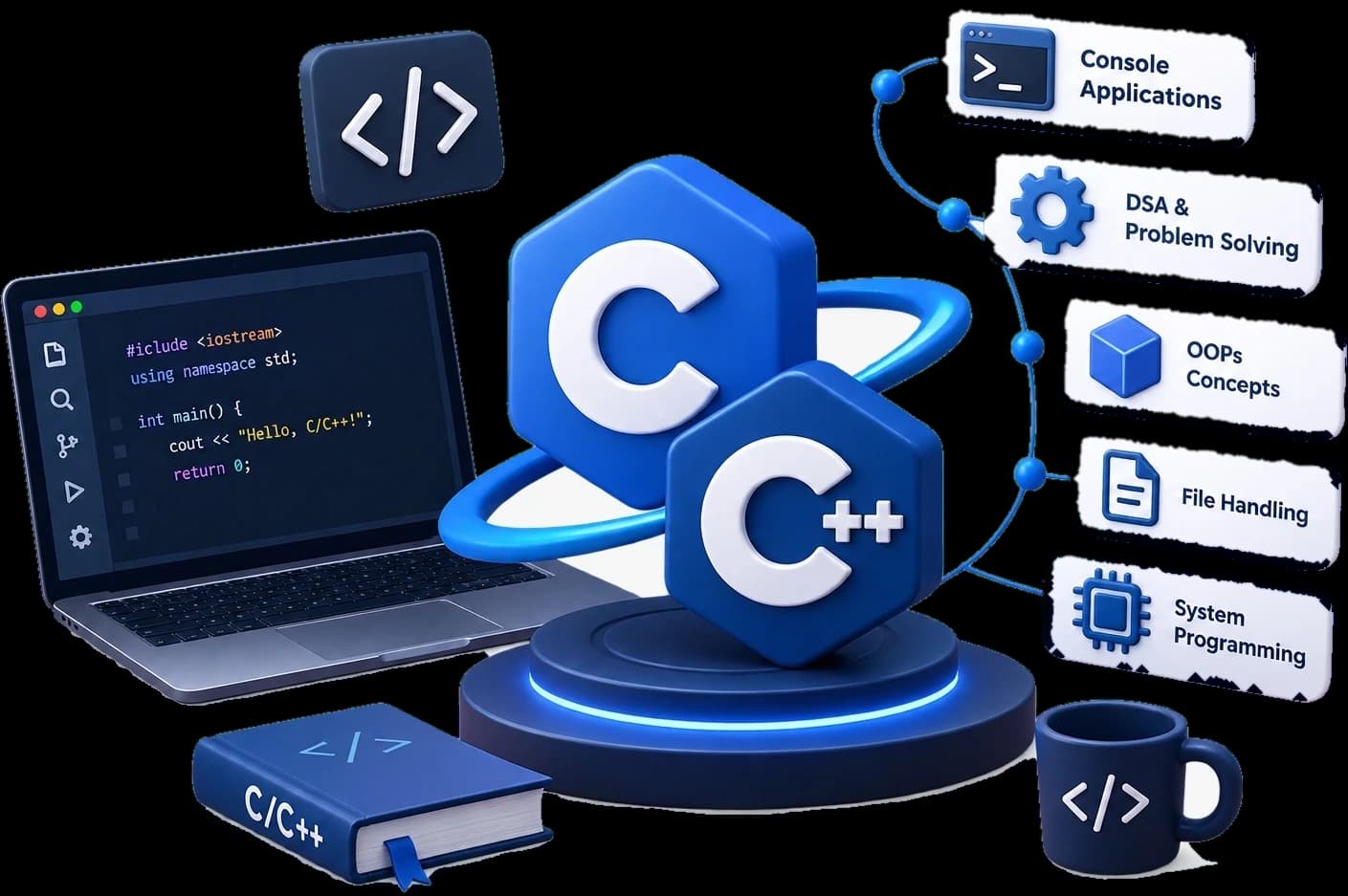
Build a real foundation in programming — start with C to understand how a computer actually executes your code, then move into C++ and Object-Oriented Programming to build software the way the industry does. One continuous track over three months: a month of C, then two months of C++.
- Live client projects
- Practitioner trainers
- Placement support
- Certificate + internship
- Duration
- 3 Months
- Mode
- Classroom, Weekend & 1-on-1
- Eligibility
- 10th Pass Onward
- Includes
- Certificate + Internship Letter
- Students trained
- 25,000+Students trainedsince 2007
- Google rating
- 4.9★Google rating556+ reviews
- Practical training
- 100%Practical traininglive client work
Course overview
This C & C++ Certificate Program is built for the way programming is actually learned — by writing code every day, not by memorising syntax the night before an exam. The first month takes you through C from the ground up: how a program compiles and runs, variables and data types, control flow, functions, arrays, pointers and file handling — the concepts every other language borrows from. The next two months move into C++, where you keep everything you learned in C and add Object-Oriented Programming, the Standard Template Library (STL) and the modern C++ features that show up in real codebases and in every campus placement test.
You work in GCC / G++, Code::Blocks, VS Code and GDB, writing and debugging your own programs from day one, so each module ends with working code you can explain rather than a completed worksheet.
What comes with it: 100% hands-on coding practice in every session, concepts taught through logic-building exercises rather than theory alone, weekly mini-projects that build toward a final capstone, a certificate and internship letter on completion, and small batches with daily doubt-clearing.
Industry-Ready Training in C & C++
- 100% practical, project-based learning
- AI tools integrated into every module
- Live client projects under trainer supervision
- Internship letter and placement support
- Small batches with daily doubt clearing
Who can dothis course
This programme is built for people at six different starting points, and the batch is intentionally mixed. What matters more than your background is showing up and writing the code every session asks for.
Students after 10th or 12th
Join with zero programming background. C and C++ are usually the first languages taught in school and college, and this course gets you ahead of your syllabus instead of scrambling to catch up before exams.
Engineering and BCA / B.Sc(IT) students
C and C++ carry heavy weightage in first- and second-year college exams and in almost every placement aptitude test. This course strengthens exactly what your semester and your interviewers will test.
Graduates preparing for entry-level tech roles
C++ is still asked in interviews for software developer, embedded systems and product-based company roles. Strong fundamentals here make Data Structures & Algorithms far easier to learn next.
Competitive programmers and DSA beginners
If you are aiming for coding platforms, campus placements or competitive programming, C++ is the language of choice for its speed and STL support. This course is the foundation you need before DSA.
Working professionals switching into tech
The weekend batch is built for people already working who want a genuine first step into software development without quitting their job.
Self-taught learners with scattered knowledge
If tutorials left you with fragments — a bit of loops here, a half-finished pointers video there — this course rebuilds it properly, in order, with a trainer checking your code every week.
Why this programmeis worth your year
The foundation layer of computing
C and C++ aren't just old languages. Operating systems, compilers, game engines, embedded systems, competitive programming judges and most Data Structures & Algorithms courses are built on the concepts you learn here. Skipping this foundation is why many students struggle later with Python, Java or DSA: the underlying logic — memory, pointers, how a program actually runs — is what this programme builds properly.
Daily code review, not a playlist
The difference between a tutorial and a real programming foundation is daily code review. From week one you write programs yourself, get them checked, debug your own errors and fix them. That loop is what turns having watched a video on pointers into being able to write and debug pointer code independently.
Ready for what comes next
A student who finishes with strong fundamentals is genuinely ready for the next step: Data Structures & Algorithms, campus placement prep, or a further specialisation like Java, Python or embedded systems — all of which assume the C/C++ base this programme builds.
Honest pay expectations
C and C++ do not hand you a job title on their own; they hand you the base every technical interview tests. Combined with DSA and a project portfolio, indicative Jalandhar-market fresher salaries for junior developer roles typically start around ₹15,000 – ₹28,000 a month and rise quickly with delivery experience. Ask your counsellor for current figures, since this varies by role and company.
Timings that fit your week
Students reach the Jalandhar centre from Model Town, Urban Estate, Adarsh Nagar, Basti Bawa Khel and Rama Mandi, with weekend students travelling in from Phagwara, Kapurthala, Nakodar, Hoshiarpur and Adampur. Whether you have just finished 10th or 12th, are completing a degree at a local college, or are switching from a non-technical job, the programme starts at zero — which is why weekday, evening, weekend and 1-on-1 timings all exist rather than a single fixed slot, with every class running two hours.
C & C++ Is the Foundation Layer Every Other Skill Sits On
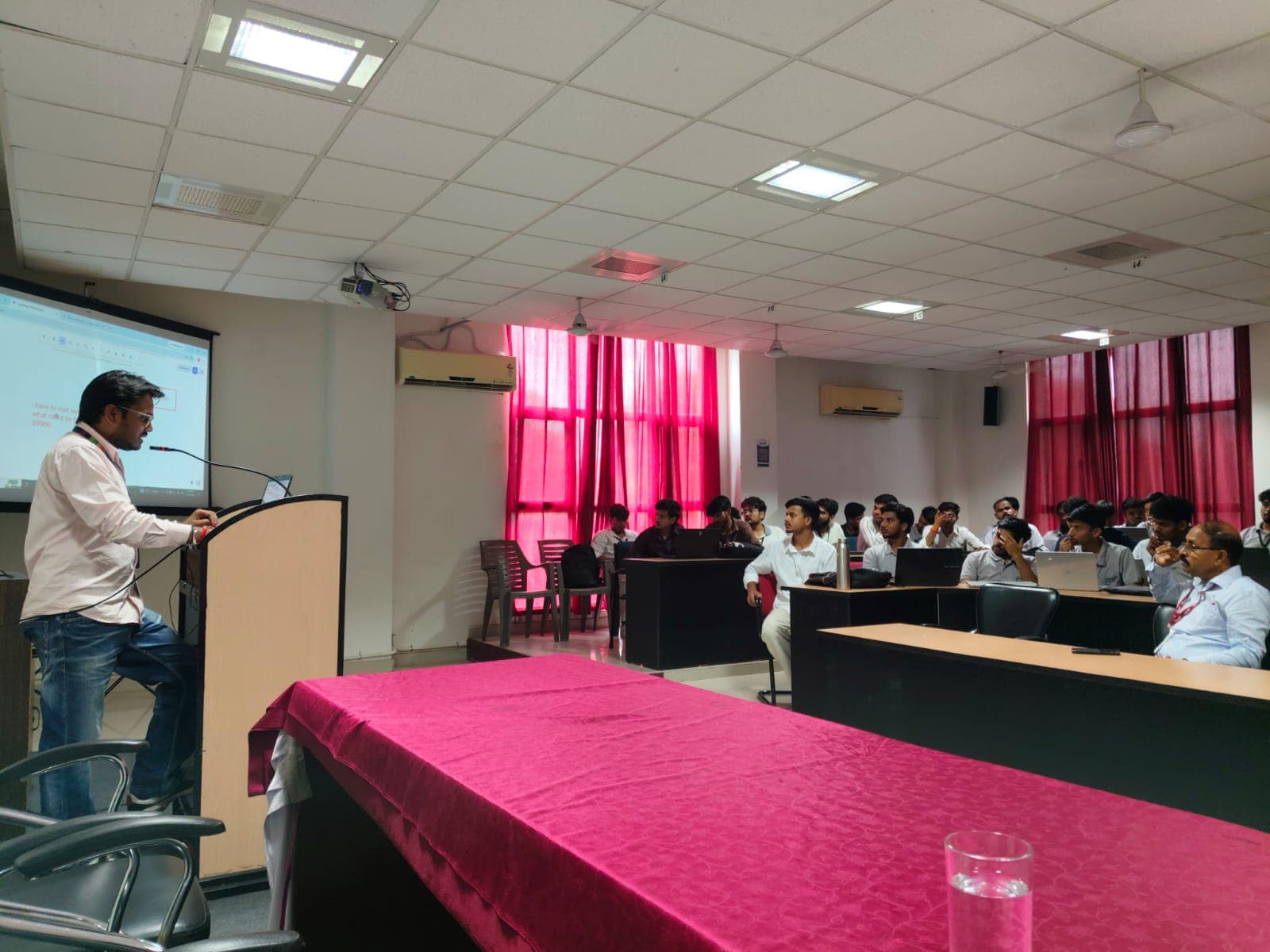
- Live coding labs and daily code review from week one — not slides, and not copy-pasted lab files.
- One continuous track: a month of C, two months of C++ and OOP, finishing with a capstone you can walk an interviewer through.
Reviewed by mentors. Built for interviews.What you will
actually build
This syllabus moves the way real learning of a language should: syntax and logic first, then structured data and memory, then reusable, object-oriented software design. Month 1 — Foundation: C Programming — builds your C base across eight teaching blocks. Months 2–3 — Applied: C++ and OOP — build on top of it across twelve more blocks, finishing with a portfolio capstone. Every block ends in working code you wrote, debugged and can explain.
Getting Started with C
- Introduction to C, its history and features, and the structure of a C program
- Compilation and execution, keywords, identifiers and comments
- Variables, constants and data types — int, char, float, double
- Type modifiers, type casting and sizeof()
One course.A mesh of real tools.
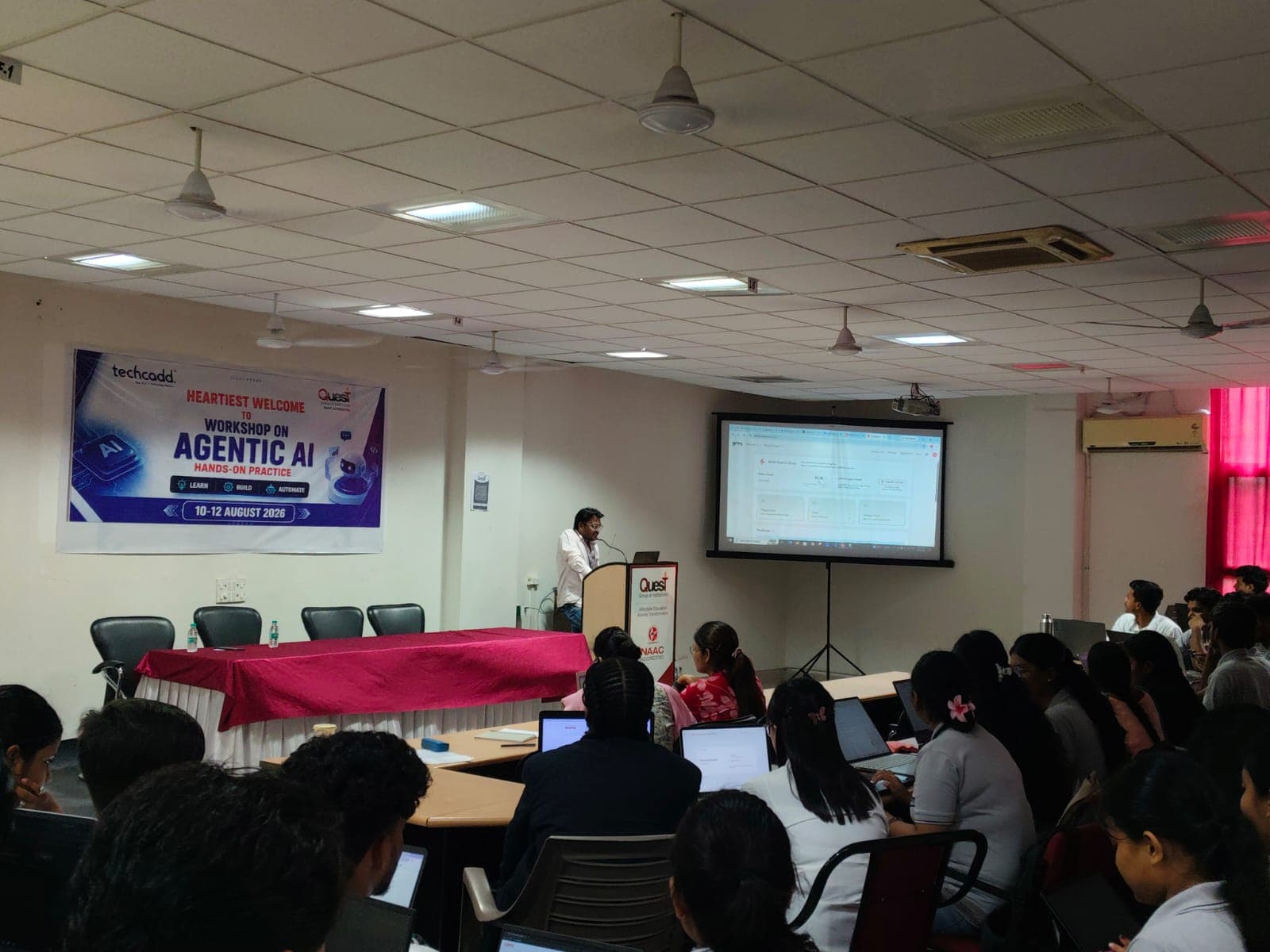
Everything below is installed on the lab machines and used on live client work, not shown once in a slide and forgotten.
 GitHub
Get Certified in
C & C++
Complete the course with a portfolio of live projects and receive an industry-recognised certificate, plus a documented internship letter accepted by Punjab universities.
 Computer Education · JalandharCertificateof Project ExcellenceThis is to certify thatStudent Name
has designed, built and deployed a live capstone project in C & C++, reviewed and graded under industry mentorship.
Computer Education · JalandharCertificateof Course CompletionThis is to certify thatStudent Namehas successfully completed the professional training programme in C & C++ with a grade of A+.
Two certificates on completion — the course certificate and a separate capstone project certificate.
Where this coursetakes you
The roles this opens, what they pay in Punjab and beyond, and who is hiring for them — the same figures our free Salary Estimator publishes, not a brochure number.
Where does this course actually take me?
C and C++ fundamentals are what almost every technical interview, campus placement test and further specialisation is built on. This programme does not hand you a job title directly — it hands you the base every one of those paths requires, plus a capstone project you can be questioned on.
What do students usually do immediately after it?
Most move on to Data Structures & Algorithms, since C++ with STL is the most common language for DSA prep and coding interviews. Others go straight into campus placement preparation, competitive programming on platforms like Codeforces and CodeChef, or a further specialisation such as Java, Python, embedded C or game development.
What job roles does this foundation support?
With further DSA and project work: Junior Software Developer, Trainee Programmer, Embedded Systems Trainee, Technical Support Engineer, and campus placement roles at core and IT companies.
What can I earn, and how fast does it grow?
Indicative Jalandhar-market fresher salaries for junior developer roles typically start in the ₹15,000 – ₹28,000 a month range once combined with DSA and a project portfolio, rising substantially within two years of delivery experience. Ask your counsellor for current figures, since this varies by role and company.
Will this help with campus placements?
Directly. Aptitude and coding rounds at most core and IT companies test C/C++ fundamentals, and the capstone gives you something concrete to discuss once the interview moves past the written round.
Hands-on projectsyou will ship
C Console Calculator & Logic Builder
A multi-function calculator handling arithmetic, conditionals and loops — your first working, menu-driven C program, and the point at which control flow stops being theory.
Student / Contact Management System (C)
A file-based C application using structures, arrays and file handling to store, search and update records. Your Month 1 capstone, and the first program you debug rather than rewrite.
Library Management System (C++)
An OOP-designed system with classes for books, members and transactions, using inheritance and file persistence — the first project where design choices, not syntax, decide whether it works.
Bank Management System (C++)
Account classes with encapsulation, constructors and destructors, exception handling for invalid transactions, and STL containers managing the account records.
Employee Management System (Capstone)
An end-to-end C++ project applying inheritance, polymorphism, smart pointers and file-based storage — the primary project you present in interviews.
Learn it. Build it. Make it yours.
Every project moves through the same loop: understand the brief, build with guidance, then explain the decisions behind your work.
Understand
Break a real requirement into a clear plan and the right tools.
C Console Calculator & Logic BuilderBuild
Work hands-on with trainer feedback while the decisions are still easy to change.
Student / Contact Management System (C)Present
Turn the finished work into a portfolio story you can defend in an interview.
Library Management System (C++)Why students choosetechcadd
There are several places to learn C and C++ in Jalandhar, and the syllabus looks similar everywhere on paper. What differs is whether you write code every single day, whether anyone checks it, and whether the programme prepares you for what comes after — DSA, placements, further languages. techcadd has trained students across Punjab since 2007 on the same model: small batches, working practitioners as trainers, real work as the backbone of the programme.
Trainers who code daily
Not lecturers reading from slides. Your trainer writes and debugs code themselves, so explanations come from experience rather than from a textbook.
Daily hands-on practice
Every session includes writing code, not just watching it get written on a projector. Each module ends with a program you built and can explain.
Small batches, real doubt-clearing
Batches stay small enough that a trainer can review your program and your specific errors, not just the topic in general.
Certificate and internship letter
A documented internship based on the capstone project you build, accepted for college industrial training requirements, alongside the course completion certificate.
A placement cell that follows through
Resume support, mock interviews and DSA-readiness guidance that continue after the programme, not just before you enrol.
Since 2007, 25,000+ students
Nearly two decades of hiring relationships in Punjab is why a call from our placement cell gets answered and why local employers know what our certificate means.
How techcaddcompares
The C & C++ Certificate Program here, compared with what institutes commonly offer in Jalandhar. Every row is about what happens in the room, because the syllabus on the brochure looks much the same everywhere.
| Feature | techcadd | Other institutes |
|---|---|---|
| Curriculum | Structured C-to-C++ progression, aligned to placements and DSA | C and C++ often taught disconnected, and exam-focused only |
| Learning style | 100% hands-on daily coding in the lab | Mostly lecture, with copy-paste lab files |
| Trainers | Practitioners who write and debug code regularly | Mixed experience levels |
| Projects | Multiple real applications plus a capstone you present | Limited, or a single toy program |
| Placement support | Resume review, mock interviews and DSA-readiness guidance | Often limited or absent |
| Batch flexibility | Weekday, evening, weekend and 1-on-1 | Fixed schedules |
| Doubt support | Ongoing, code-level review of your own program | Limited post-class support |
| Certification | Programme certificate plus a documented internship letter | Varies |
Written about what is commonly on offer locally rather than about any named institute — a claim about a particular competitor is one nobody here can substantiate.
What you are reallybeing taught
Every project in this programme moves through the same loop: understand the problem, build it with guidance, then explain the logic behind your code. It is the loop an interview puts you through, practised weekly before anyone is judging you on it.
01. Understand
Break a problem statement into logic before writing a single line. Most bad programs are bad decisions written quickly, not bad syntax.
02. Build
Write and debug the code yourself, with a trainer checking your work while mistakes are still cheap to fix.
03. Present
Explain your program's logic and design choices out loud — the same way an interviewer will ask you to.
What our studentsin Jalandhar say
- Google
What made C & C++ click for me was the lab time. You can sit after class and someone will still explain it until you get it.
Vikas ChopraWeekend Batch · Ludhiana GoogleThe C & C++ course got me interview-ready faster than I expected. My interviewer asked to see my project and that was the whole conversation.
Neha BansalPlaced Fresher · Jalandhar GoogleI travelled in for the weekend C & C++ batch and it was worth every trip. Small batch, real work, no time wasted on theory nobody uses.
Arshdeep SinghTrainee Engineer · Adampur GoogleWhat made C & C++ click for me was the lab time. You can sit after class and someone will still explain it until you get it.
Vikas ChopraWeekend Batch · Ludhiana GoogleThe C & C++ course got me interview-ready faster than I expected. My interviewer asked to see my project and that was the whole conversation.
Neha BansalPlaced Fresher · Jalandhar GoogleI travelled in for the weekend C & C++ batch and it was worth every trip. Small batch, real work, no time wasted on theory nobody uses.
Arshdeep SinghTrainee Engineer · Adampur
- Google
techcadd's placement cell kept calling me for drives until I was placed. That persistence mattered more than the certificate for C & C++.
Pooja RaniGraduate · Kartarpur GoogleI was switching careers and worried I would be behind. Half the C & C++ batch were doing the same thing, and nobody made me feel slow.
Karan MehtaB.Tech Student · Jalandhar GoogleI joined the C & C++ batch with almost no background and finished with a project I could actually show. The trainers correct your work daily rather than just moving to the next slide.
Sandeep KaurPlaced Fresher · Phillaur Googletechcadd's placement cell kept calling me for drives until I was placed. That persistence mattered more than the certificate for C & C++.
Pooja RaniGraduate · Kartarpur GoogleI was switching careers and worried I would be behind. Half the C & C++ batch were doing the same thing, and nobody made me feel slow.
Karan MehtaB.Tech Student · Jalandhar GoogleI joined the C & C++ batch with almost no background and finished with a project I could actually show. The trainers correct your work daily rather than just moving to the next slide.
Sandeep KaurPlaced Fresher · Phillaur
Frequently Asked Questions
No. The programme opens with C from absolute zero — what a program is, how it compiles and how it runs — before building up to C++ and OOP. Basic computer familiarity is enough to start.
Three months in total: the first month covers C programming fundamentals, and the following two months cover C++ and Object-Oriented Programming, ending with a capstone project. Weekday, evening and weekend batches cover the same syllabus, and every class runs for 2 hours.
The fee depends on batch type — weekday, weekend or 1-on-1 — and on any add-ons such as extended DSA support. techcadd counsellors share the current fee sheet and EMI options on request, and a demo class is free.
Students after 10th or 12th, engineering and BCA/B.Sc(IT) students, graduates preparing for placements, DSA and competitive programming beginners, and working professionals making a first move into tech. The batch is deliberately mixed, and no prior programming background is assumed.
Yes — C and C++ fundamentals are directly tested in most core and IT company aptitude and coding rounds. This course builds exactly that base, and the capstone project gives you something concrete to discuss in interviews.
You work hands-on in GCC / G++, Code::Blocks, Dev-C++ and VS Code, debug with GDB and the built-in IDE debuggers, test with assert(), and version your work with Git and GitHub. On the C side you use stdio.h, stdlib.h, string.h, math.h, ctype.h, time.h, stdbool.h and stdint.h; on the C++ side <iostream>, <string>, <vector>, <algorithm>, <memory> and <fstream>.
Every module ends with something you built. Weekly mini-projects lead into a menu-driven C application at the end of Month 1, and the programme finishes with an end-to-end C++ capstone — proper OOP design, STL and file-based persistence — supervised by a trainer.
Yes. Every student receives a programme completion certificate covering both C and C++, plus a documented internship letter based on the capstone project you build, usable for college industrial training requirements.
No training provider can honestly guarantee a job, and you should be cautious of anyone in Jalandhar who claims one. techcadd guarantees placement support: resume review, mock interviews, DSA-readiness guidance and repeated drives with hiring partners across Jalandhar and Ludhiana.
Yes. Weekday, evening and weekend batches run in parallel, and 1-on-1 training is available for a fully personal pace. Book a free demo class to see the lab and meet the trainer before enrolling.
How the programme is staged
One programme, taught in stages. Each stage begins with practical foundations and the next continues where it ends, so nothing is repeated and nothing is skipped.
Month 1 — Foundation: C Programming
Opens with Getting Started with C through File Handling & Advanced Pointers. 7 modules, taught, practised in the lab and assessed on work you keep.
Month 2 — Core Skills: Into C++
Adds Bitwise Programming & Mini-Project through Friend Functions, Dynamic Memory & Exceptions, on top of everything Month 1 already covers.
Month 3 — Advanced OOP & Capstone
Adds File Handling & Templates through the Capstone Project, on top of everything Month 2 already covers.
Every module,stage by stage
The C & C++ Certificate Program syllabus runs as 3 stages inside one enrolment. A tick shows the stage each module first appears in — the ladder is cumulative, so a later stage builds on the earlier ones instead of replacing them.
Month 1 — Foundation: C Programming
7 modules
Opens with Getting Started with C through File Handling & Advanced Pointers. 7 modules, taught, practised in the lab and assessed on work you keep.
Month 2 — Core Skills: Into C++
+7 modules
Adds Bitwise Programming & Mini-Project through Friend Functions, Dynamic Memory & Exceptions, on top of everything Month 1 already covers.
Month 3 — Advanced OOP & Capstone
+6 modules
Adds File Handling & Templates through the Capstone Project, on top of everything Month 2 already covers.
| Module | Stage 1 | Stage 2 | Stage 3 |
|---|---|---|---|
| 01Week 1 · Getting Started with CIntroduction to C, its history and features, and the structure of a C program; Compilation and execution, keywords, identifiers and comments. | Included | Included | Included |
| 02Week 1 · Operators & Decision MakingArithmetic, relational, logical and assignment operators; Increment/decrement, bitwise and conditional (?:) operators. | Included | Included | Included |
| 03Week 2 · Loops & Functionswhile, do-while, for, nested loops and infinite loops; Function declaration, definition and calling. | Included | Included | Included |
| 04Week 2 · Arrays & StructuresOne-dimensional and multidimensional arrays, initialisation and traversal; Passing arrays to functions. | Included | Included | Included |
| 05Week 3 · Strings & String HandlingCharacter arrays, string input/output and the null character; String initialisation and manipulation. | Included | Included | Included |
| 06Week 3 · Pointers & Dynamic MemoryPointer basics, address and dereference operators, pointer arithmetic; Pointers with arrays and functions, and pointer to pointer. | Included | Included | Included |
| 07Week 4 · File Handling & Advanced PointersFile pointers, fopen(), fclose(), fprintf(), fscanf(); fgetc(), fputc(), fgets(), fputs(), file modes and binary files. | Included | Included | Included |
| 08Week 4 · Bitwise Programming, Debugging & Mini-ProjectBitwise AND, OR, XOR and NOT, shifts, bit masking, setting/clearing/toggling bits. | Not included | Included | Included |
| 09Week 5 · From C to C++Introduction to C++, its features, and the difference between C and C++; Structure of a C++ program, compilation and comments. | Not included | Included | Included |
| 10Week 5–6 · Functions, Arrays & Strings in C++Default arguments, inline functions and function overloading; Pass by value vs pass by reference, and recursion. | Not included | Included | Included |
| 11Week 6 · Pointers, References & Intro to OOPPointer arithmetic, and pointers with arrays and functions; References, and pointer vs reference. | Not included | Included | Included |
| 12Week 6–7 · Constructors, Destructors & InheritanceDefault, parameterised and copy constructors, and constructor overloading; Destructors, and constructor/destructor execution order. | Not included | Included | Included |
| 13Week 7 · Polymorphism & Operator OverloadingCompile-time vs runtime polymorphism, function overloading and overriding. | Not included | Included | Included |
| 14Week 7 · Friend Functions, Dynamic Memory & ExceptionsFriend functions and friend classes, accessing private and protected members; new, delete, dynamic arrays, dynamic objects and nullptr. | Not included | Included | Included |
| 15Week 8 · File Handling & Templatesifstream, ofstream and fstream, opening and closing files; Reading and writing text and binary files, and file modes. | Not included | Not included | Included |
| 16Week 8 · STL & Modern C++ BasicsIntroduction to the STL: containers, iterators and algorithms; vector, array and pair in everyday use; auto, decltype, range-based loops and nullptr. | Not included | Not included | Included |
| 17Week 9 · Smart Pointers, Lambdas & Move Semanticsunique_ptr, shared_ptr, weak_ptr, make_unique(), make_shared() and the RAII concept; Lambda syntax, parameters, return types and capture lists. | Not included | Not included | Included |
| 18Week 9 · Namespaces & the C++ Standard LibraryNamespace creation and usage, nested namespaces, std and namespace aliases; Working with <iostream>, <string>, <cmath> and <iomanip>. | Not included | Not included | Included |
| 19Week 10 · Advanced OOP ConceptsRule of 3, Rule of 5 and Rule of 0; Object lifetime, and copy vs move semantics; A conceptual understanding of the virtual table. | Not included | Not included | Included |
| 20Week 10 · Capstone ProjectAn end-to-end C++ project with proper OOP design, STL and file-based data persistence. | Not included | Not included | Included |
Every stage sits inside the one programme: nothing is dropped as you move up, and nothing is charged for twice. If you are not sure which stage matters most for the role you are aiming at, a counsellor will map it against the jobs actually hiring in Punjab right now.
Not sure if C & C++ is the right fit?
One call with a counsellor is usually enough to find out. Book a free demo class and see the lab before you decide.
Ask aboutC & C++
Send your question and a counsellor will call you back about batch timings, fees, EMI options, placement record, or whether this course fits your degree.
- Free counselling and demo class
- Weekday, evening, weekend or 1-on-1, all 2-hour classes
- Internship letter and placement support