Best Linux Certificate Program in Jalandhar
Learn the operating system every server, container and cloud instance actually runs, taught on live client work at techcadd Jalandhar rather than from slides.
- Live client projects
- Practitioner trainers
- Placement support
- Certificate + internship

- Duration
- 3 – 6 Months
- Mode
- Classroom, Weekend & 1-on-1
- Eligibility
- 12th Pass Onward
- Includes
- Internship Letter
- Students trained
- 25,000+Students trainedsince 2007
- Google rating
- 4.9★Google rating556+ reviews
- Practical training
- 100%Practical traininglive client work
Course overview
techcadd's Linux Certificate Programme in Jalandhar is a focused way to close the gap that sits quietly under most cloud, DevOps and security roles. You begin with installation and the file system layout, then the command line and shell essentials until moving around a server stops being slow. Users, groups and permissions follow, then package management and services under systemd. Shell scripting in Bash turns repetitive work into automation, and a networking module covers SSH configuration and remote access properly. You then set up web servers with Nginx and Apache, and finish with monitoring, logs and structured troubleshooting. Work happens on Ubuntu and CentOS with a trainer beside you, and exercises are built around the faults you will actually meet: a service that will not start, a disk filling up, a permission that is wrong. You leave with practical server skills, CV support and interview practice for Linux Administrator, System Engineer or support roles.
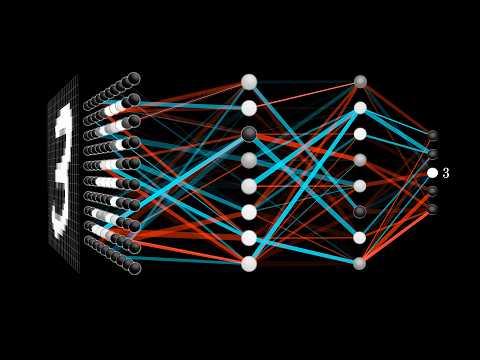

Industry-Ready Training in Linux
- 100% practical, project-based learning
- AI tools integrated into every module
- Live client projects under trainer supervision
- Internship letter and placement support
- Small batches with daily doubt clearing
Who can dothis course
The Linux programme is built for people at six different starting points, and the batch is deliberately mixed. What matters far more than your background is turning up consistently and finishing what each module asks you to build.
Students after 12th
Join from any stream. You start from fundamentals with no assumed knowledge, and most students run the programme alongside a degree at a Jalandhar college using the weekday or weekend batch.
Graduates and final-year students
If you are finishing a BA, BBA, B.Com, BCA or B.Tech, this is the shortest route from degree to salary. Enter placement season with project work in hand instead of a blank CV.
Working professionals
The weekend batch exists for people already earning. Career switchers typically become interview-ready for Linux Administrator roles within five to six months without leaving their current job.
Business owners and freelancers
Owners take this programme to stop outsourcing work they cannot judge. Freelancers take it to bill clients beyond Punjab, since location does not limit remote work in this field.
Career restarters
A gap on the CV counts for less than work you can point at. The programme starts at zero and finishes with a portfolio and a documented internship letter, which is what an interviewer asks about after a break.
Self-taught learners
If free videos left you with notes but nothing built, what changes here is a trainer who reviews what you produced this week and a deadline attached to every module.
Why this programmeis worth your year
Linux is the quiet prerequisite behind cloud, DevOps and security roles, and the fastest gap to close. That gap is the whole argument for this programme: there is local demand, there are budgets, and there are very few trained people to hand the work to.
What separates this from a playlist of tutorials is supervision on real work. From the second half of the programme you build on live client projects with a trainer beside you, make decisions that have consequences, and correct them the following week. That loop is the skill. No employer in Jalandhar will take your word for it without work they can inspect.
Be realistic about the money. A fresher who finishes with a working portfolio typically starts around ₹15,000 – ₹28,000 a month locally, and moves up quickly with experience. Roles include Linux Administrator, System Engineer, DevOps Associate, Support Engineer. The ceiling is high, but it is earned. Nobody pays a beginner well for a certificate alone.
The alternative is what most people try first: free videos, a cheap online course, six months of drifting, and knowledge you cannot demonstrate. A structured programme with live projects, a mentor who corrects you, an internship letter and a placement cell that actually calls employers is the difference between knowing the subject and being hired to do it.
Students reach the Jalandhar centre from Model Town, Urban Estate, Adarsh Nagar, Basti Bawa Khel and Rama Mandi, with weekend students travelling in from Phagwara, Kapurthala, Nakodar, Hoshiarpur and Adampur. Whether you have just finished 12th, are completing a degree at a local college, or are switching from a non-technical job, the programme starts at zero, which is why weekday, evening, weekend and 1-on-1 timings all exist rather than a single fixed slot, with every class running two hours.
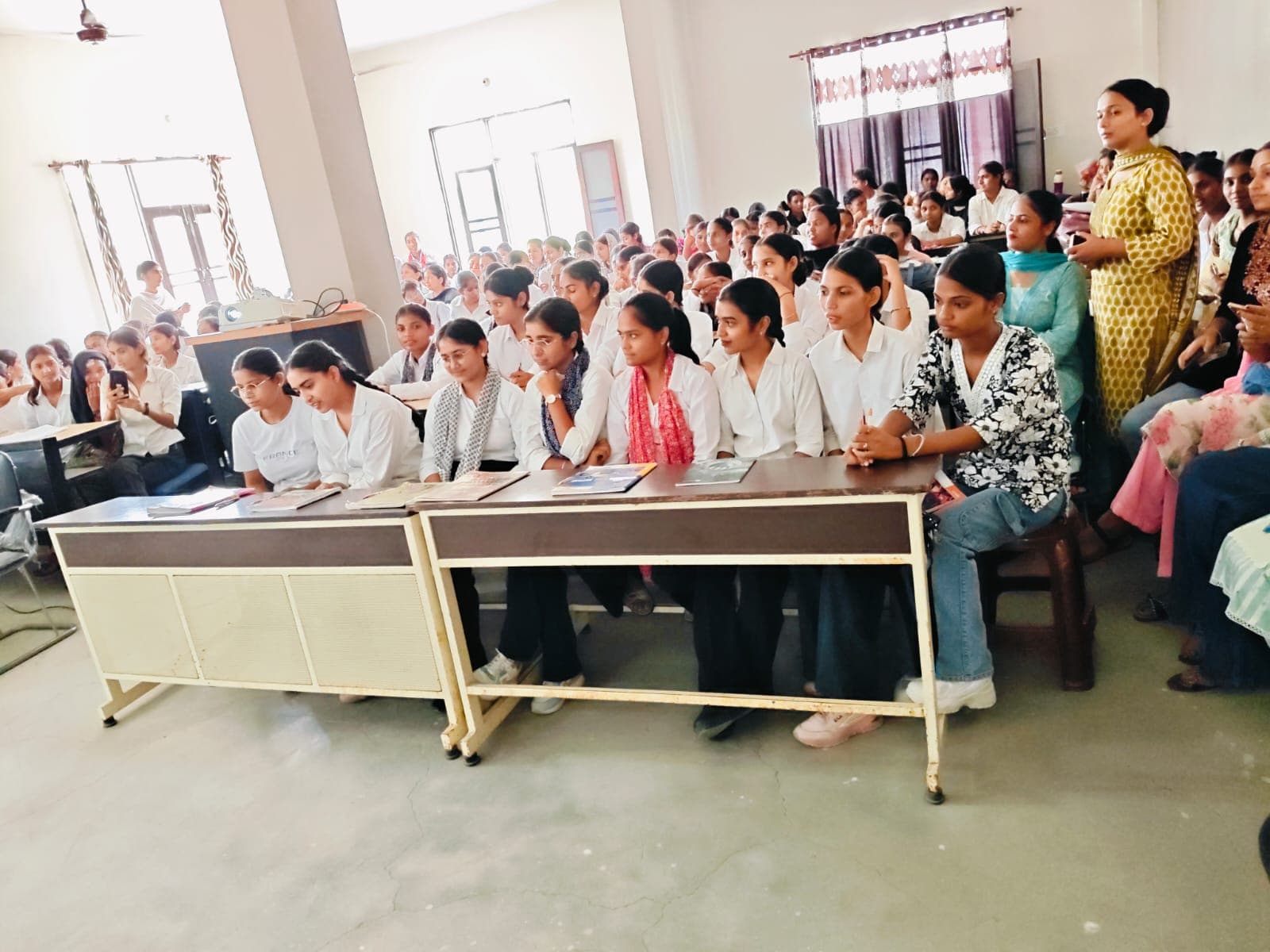
Linux Is Powering the Next Generation of Industry Leaders
- Live client work from week one, supervised by a trainer, not slides, not simulations.
- Linux Administrator roles in Punjab start around ₹15,000 – ₹28,000 a month for a fresher with a working portfolio.
Reviewed by mentors. Built for interviews.What you will
actually build
The syllabus is arranged so every module produces an asset rather than a set of notes. Months 1–2 cover Linux installation and file system, command line and shell essentials, users, groups and permissions, package management and services, shell scripting and automation, and networking. Months 3–4 add web servers with Nginx and Apache, and monitoring, logs and troubleshooting. The final stage delivers a live client project, documented internship, CV preparation and placement drives. Modules run in the order a real project runs: foundations first, then core skills, then applied work under supervision, then the portfolio and interview preparation that turn all of it into an offer letter.
Linux Foundations
- Linux installation and file system
- Command line and shell essentials
- Users, groups and permissions
One course.A mesh of real tools.
Everything below is installed on the lab machines and used on live client work, not shown once in a slide and forgotten.
Get Certified in
Linux
Complete the course with a portfolio of live projects and receive an industry-recognised certificate, plus a documented internship letter accepted by Punjab universities.
 Computer Education · JalandharCertificateof Project ExcellenceThis is to certify thatStudent Name
has designed, built and deployed a live capstone project in Linux, reviewed and graded under industry mentorship.
Computer Education · JalandharCertificateof Course CompletionThis is to certify thatStudent Namehas successfully completed the professional training programme in Linux with a grade of A+.
Two certificates on completion — the course certificate and a separate capstone project certificate.
Where this coursetakes you
The roles this opens, what they pay in Punjab and beyond, and who is hiring for them — the same figures our free Salary Estimator publishes, not a brochure number.
What job roles open up after Linux?
Graduates move into Linux Administrator, System Engineer, DevOps Associate, Support Engineer and similar roles. Linux is the quiet prerequisite behind cloud, DevOps and security roles, and the fastest gap to close.
What can I earn, and how fast does it grow?
A fresher with a working portfolio starts around ₹15,000 – ₹28,000 a month in the Jalandhar market. With two years of delivery experience that typically doubles, and specialists who keep learning move well beyond it.
Can I freelance or work remotely with this skill?
Yes. A Jalandhar address costs you nothing on a remote brief. Students bill clients in Delhi, Dubai and Canada. The programme covers client handling, proposals and reporting so you can price and defend your work, not just do it.
Which industries hire for this in Punjab?
Beyond IT companies, the export houses, sports goods and hand tool manufacturers, immigration consultancies, hospitals, schools and real estate firms across Jalandhar all now hire for these skills directly.
Can I continue to higher studies or a specialisation later?
The certificate and portfolio stand on their own, and they stack. Most students move on to an adjacent techcadd track. The tools overlap, so the second programme is faster than the first.
Hands-on projectsyou will ship
Linux Fundamentals Build
Your first working piece, applying linux installation and file system and command line and shell essentials end to end rather than as isolated exercises.
Real-World Data Challenge
Work with messy, real inputs (package management and services and shell scripting and automation) and defend the choices you made to a trainer.
Live Client Brief
A genuine requirement from techcadd's delivery pipeline, scoped, built and shipped under supervision. This is the one interviewers ask about.
Portfolio Capstone
A linux project you specify yourself, covering web servers with nginx and apache and deployment, and present as your final piece.
Learn it. Build it. Make it yours.
Every project moves through the same loop: understand the brief, build with guidance, then explain the decisions behind your work.
Understand
Break a real requirement into a clear plan and the right tools.
Linux Fundamentals BuildBuild
Work hands-on with trainer feedback while the decisions are still easy to change.
Real-World Data ChallengePresent
Turn the finished work into a portfolio story you can defend in an interview.
Live Client BriefWhy students choosetechcadd
There are many places to learn this in Jalandhar and the brochure syllabus looks similar at all of them. What differs is who teaches, whether you ever touch real work, and whether anyone picks up the phone after you have paid. techcadd has trained students across Punjab since 2007 on the same model: small batches, working practitioners as trainers, client projects as the backbone of the programme.
Trainers who still do the work
Your trainer is not a full-time lecturer. They deliver client projects for techcadd's services arm, so examples in class are current rather than a case study from five years ago.
Live projects, real consequences
You work on genuine client requirements under supervision. This is where a portfolio comes from, and it is the first thing an interviewer asks to see.
Small batches and open lab hours
Batches stay small enough that a trainer sees your screen daily. Lab time runs outside class hours and doubt sessions continue until the concept lands.
Internship letter and certificate
Every student finishes with an industry-recognised certificate and a documented internship on real work, accepted for university industrial training requirements.
A placement cell that persists
Mock interviews, CV reviews and drives with hiring partners across Jalandhar and Ludhiana, repeated after a rejection, not abandoned.
Since 2007, 25,000+ students
Nearly two decades of hiring relationships in Punjab is why a call from our placement cell gets answered and why local employers know what our certificate means.
How techcaddcompares
A Linux programme is only as good as the machines you get to break. These are the eight things worth asking before you pay any institute, including this one.
| Feature | techcadd | Other institutes |
|---|---|---|
| Curriculum | Industry-aligned, updated regularly | Often outdated or generic |
| Learning style | 100% hands-on, project-based | Mostly theory-heavy |
| Trainers | Industry-experienced mentors who still deliver client work | Mixed experience levels |
| Real projects | Multiple real-world projects plus a capstone | Limited or simulated projects |
| Server access | Your own virtual machines with root, so you break and repair real systems rather than watching a terminal recording | Read-only shared logins |
| Placement support | Dedicated career and interview preparation | Often limited or absent |
| Batch flexibility | Weekday, evening, weekend and 1-on-1 options | Fixed schedules |
| Doubt support | Ongoing mentor and community support | Limited post-class support |
| Certification | Industry-recognised certificate plus a documented internship letter | Varies |
The right-hand column describes what is commonly offered in the market, not any particular institute. Ask any institute you are considering — this one included — to show you the work its students actually produced.
What our studentsin Jalandhar say
- Google
techcadd's placement cell kept calling me for drives until I was placed. That persistence mattered more than the certificate for Linux.
Pooja RaniGraduate · Kartarpur GoogleI was switching careers and worried I would be behind. Half the Linux batch were doing the same thing, and nobody made me feel slow.
Karan MehtaB.Tech Student · Jalandhar GoogleI joined the Linux batch with almost no background and finished with a project I could actually show. The trainers correct your work daily rather than just moving to the next slide.
Sandeep KaurPlaced Fresher · Phillaur Googletechcadd's placement cell kept calling me for drives until I was placed. That persistence mattered more than the certificate for Linux.
Pooja RaniGraduate · Kartarpur GoogleI was switching careers and worried I would be behind. Half the Linux batch were doing the same thing, and nobody made me feel slow.
Karan MehtaB.Tech Student · Jalandhar GoogleI joined the Linux batch with almost no background and finished with a project I could actually show. The trainers correct your work daily rather than just moving to the next slide.
Sandeep KaurPlaced Fresher · Phillaur
- Google
What made Linux click for me was the lab time. You can sit after class and someone will still explain it until you get it.
Harpreet KaurSoftware Trainee · Jalandhar GoogleThe Linux programme got me interview-ready faster than I expected. My interviewer asked to see my project and that was the whole conversation.
Rohit SharmaJunior Analyst · Phagwara GoogleI travelled in for the weekend Linux batch and it was worth every trip. Small batch, real work, no time wasted on theory nobody uses.
Simranjeet SinghFreelancer · Kapurthala GoogleWhat made Linux click for me was the lab time. You can sit after class and someone will still explain it until you get it.
Harpreet KaurSoftware Trainee · Jalandhar GoogleThe Linux programme got me interview-ready faster than I expected. My interviewer asked to see my project and that was the whole conversation.
Rohit SharmaJunior Analyst · Phagwara GoogleI travelled in for the weekend Linux batch and it was worth every trip. Small batch, real work, no time wasted on theory nobody uses.
Simranjeet SinghFreelancer · Kapurthala
Frequently Asked Questions
techcadd runs Linux over 3 to 6 months depending on the track you choose. Weekday, evening and weekend batches cover the same syllabus, and 1-on-1 training is available if you would rather set your own pace. Every class runs for 2 hours, whichever format you choose.
In Jalandhar, shorter 2–3 month courses typically cost ₹8,000 to ₹15,000, while comprehensive 4–6 month programmes with live projects, an internship and placement support run roughly ₹18,000 to ₹40,000. techcadd counsellors share the current fee sheet and EMI options on request, and a demo class is free.
Students after 12th, graduates and final-year students, working professionals switching careers, and business owners all join this programme. You start from fundamentals, so a technical background helps but is not required.
Graduates typically move into roles such as Linux Administrator, System Engineer, DevOps Associate or Support Engineer. Linux is the quiet prerequisite behind cloud, DevOps and security roles, and the fastest gap to close.
A fresher with a working portfolio typically starts around ₹15,000 – ₹28,000 per month in the Jalandhar market, rising substantially within two years of experience. Freelancers handling multiple clients often earn more, since remote work is not limited by location.
No training provider can honestly guarantee a job, and you should be cautious of anyone in Jalandhar who claims one. techcadd guarantees placement support: CV reviews, mock interviews, portfolio preparation and repeated drives with hiring partners across Jalandhar and Ludhiana.
You will work hands-on with Ubuntu, CentOS, Bash, Nginx, systemd, SSH and the supporting toolchain used on live projects. All practice happens in the lab on licensed software, not on demo screenshots.
Yes. Every student receives an industry-recognised certificate on completion plus a documented internship letter based on live client work. The internship satisfies the industrial training requirement at most Punjab universities.
Every module ends with something you built. The Linux Certificate Program finishes with a live project drawn from techcadd's own client delivery work, supervised by a trainer, which becomes the portfolio you take to interviews.
Yes. techcadd Jalandhar runs weekday, evening and weekend batches in parallel so working professionals and college students can both attend, and 1-on-1 training is available for a fully personal schedule. Every class (batch or 1-on-1) runs for 2 hours; book a free demo class to see the lab and meet the trainer before enrolling.
How the programme is staged
One programme, taught in stages. Each stage begins with practical foundations and the next continues where it ends, so nothing is repeated and nothing is skipped.
Months 1–3 — Foundation: Linux Administration
Opens with Linux installation and file system through Networking and SSH configuration. 6 capabilities, taught, practised in the lab and assessed on work you keep.
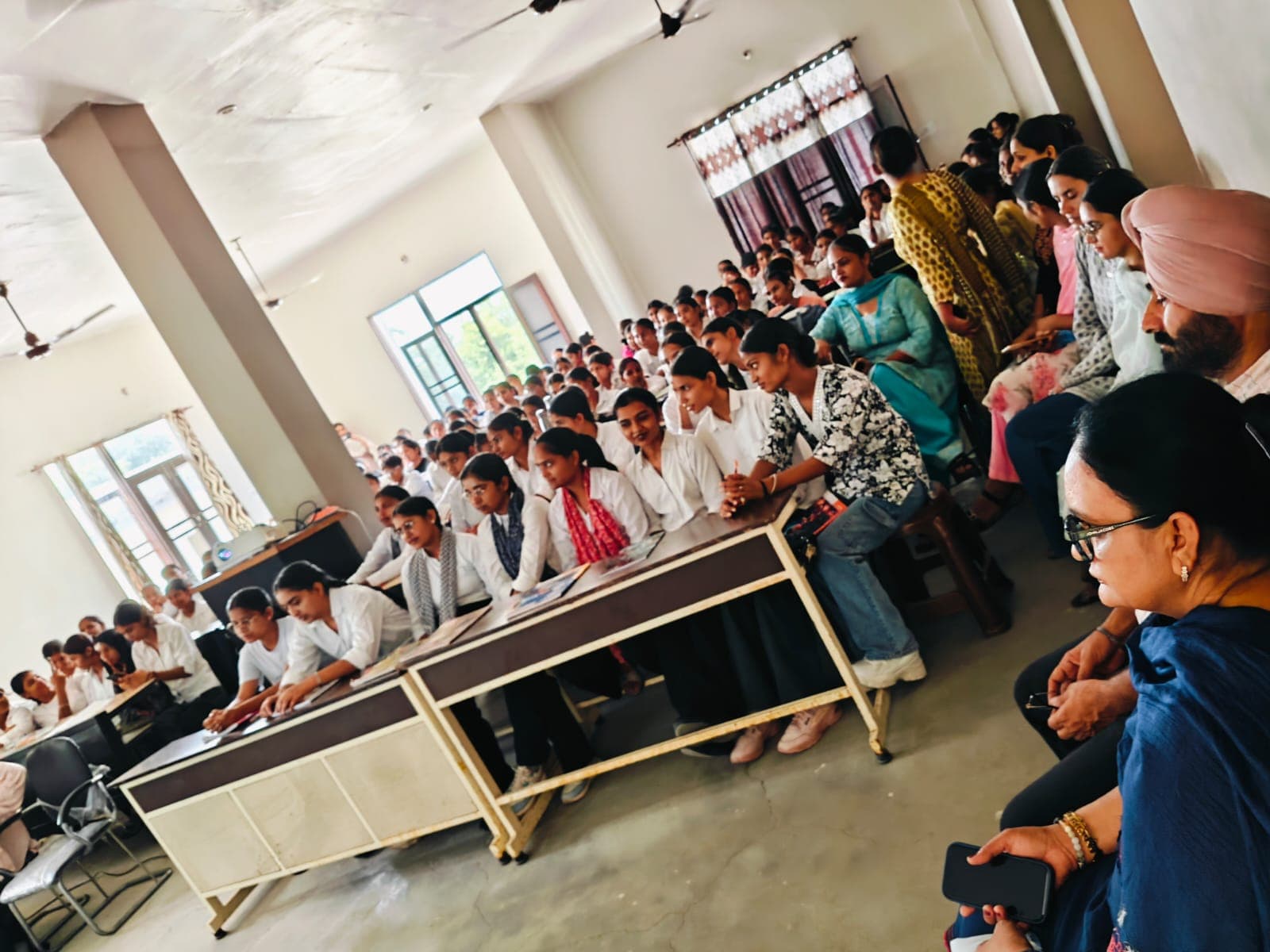
Month 4 — Applied: Servers & Monitoring
Adds Web servers with Nginx and Apache through Monitoring, logs and troubleshooting, on top of everything the first stage already covers.
Months 5–6 — Live Project & Placement
Adds a live client project you keep in your portfolio through placement drives with our hiring partner network, on top of everything the second stage already covers.
Every module,stage by stage
The Linux Certificate Program syllabus runs as 3 stages inside one enrolment. A tick shows the stage each capability first appears in — the ladder is cumulative, so a later stage builds on the earlier ones instead of replacing them.
Months 1–3 — Foundation: Linux Administration
6 capabilities
Opens with Linux installation and file system through Networking and SSH configuration. 6 capabilities, taught, practised in the lab and assessed on work you keep.
Month 4 — Applied: Servers & Monitoring
+2 capabilities
Adds Web servers with Nginx and Apache through Monitoring, logs and troubleshooting, on top of everything the first stage already covers.
Months 5–6 — Live Project & Placement
+4 capabilities
Adds a live client project you keep in your portfolio through placement drives with our hiring partner network, on top of everything the second stage already covers.
| Module | Stage 1 | Stage 2 | Stage 3 |
|---|---|---|---|
| 01Linux installation and file systemTaught in the foundations stage, with a graded exercise you keep. | Included | Included | Included |
| 02Command line and shell essentialsPart of foundations — practised in supervised lab time, not just demonstrated. | Included | Included | Included |
| 03Users, groups and permissionsBuilt hands-on in the foundations stage and reviewed line by line. | Included | Included | Included |
| 04Package management and servicesCovered under core skills, with lab work you can show in an interview. | Included | Included | Included |
| 05Shell scripting and automationAssessed on what you produce in the core skills stage, not on notes. | Included | Included | Included |
| 06Networking and SSH configurationWorked through in the core skills stage and carried into your project. | Included | Included | Included |
| 07Web servers with Nginx and ApacheTaught in the applied work stage, with a graded exercise you keep. | Not included | Included | Included |
| 08Monitoring, logs and troubleshootingPart of applied work — practised in supervised lab time, not just demonstrated. | Not included | Included | Included |
| 09A live client project you keep in your portfolioBuilt hands-on in the live project & placement prep stage and reviewed line by line. | Not included | Not included | Included |
| 10Documented internship on real workCovered under live project & placement prep, with lab work you can show in an interview. | Not included | Not included | Included |
| 11CV review, mock interviews and aptitude drillsAssessed on what you produce in the live project & placement prep stage, not on notes. | Not included | Not included | Included |
| 12Placement drives with our hiring partner networkWorked through in the live project & placement prep stage and carried into your project. | Not included | Not included | Included |
Every stage sits inside the one programme: nothing is dropped as you move up, and nothing is charged for twice. If you are not sure which stage matters most for the role you are aiming at, a counsellor will map it against the jobs actually hiring in Punjab right now.
Not sure if Linux is the right fit?
One call with a counsellor is usually enough to find out. Book a free demo class and see the lab before you decide.
Ask aboutLinux
Send your question and a counsellor will call you back about batch timings, fees, EMI options, placement record, or whether this course fits your degree.
- Free counselling and demo class
- Weekday, evening, weekend or 1-on-1, all 2-hour classes
- Internship letter and placement support